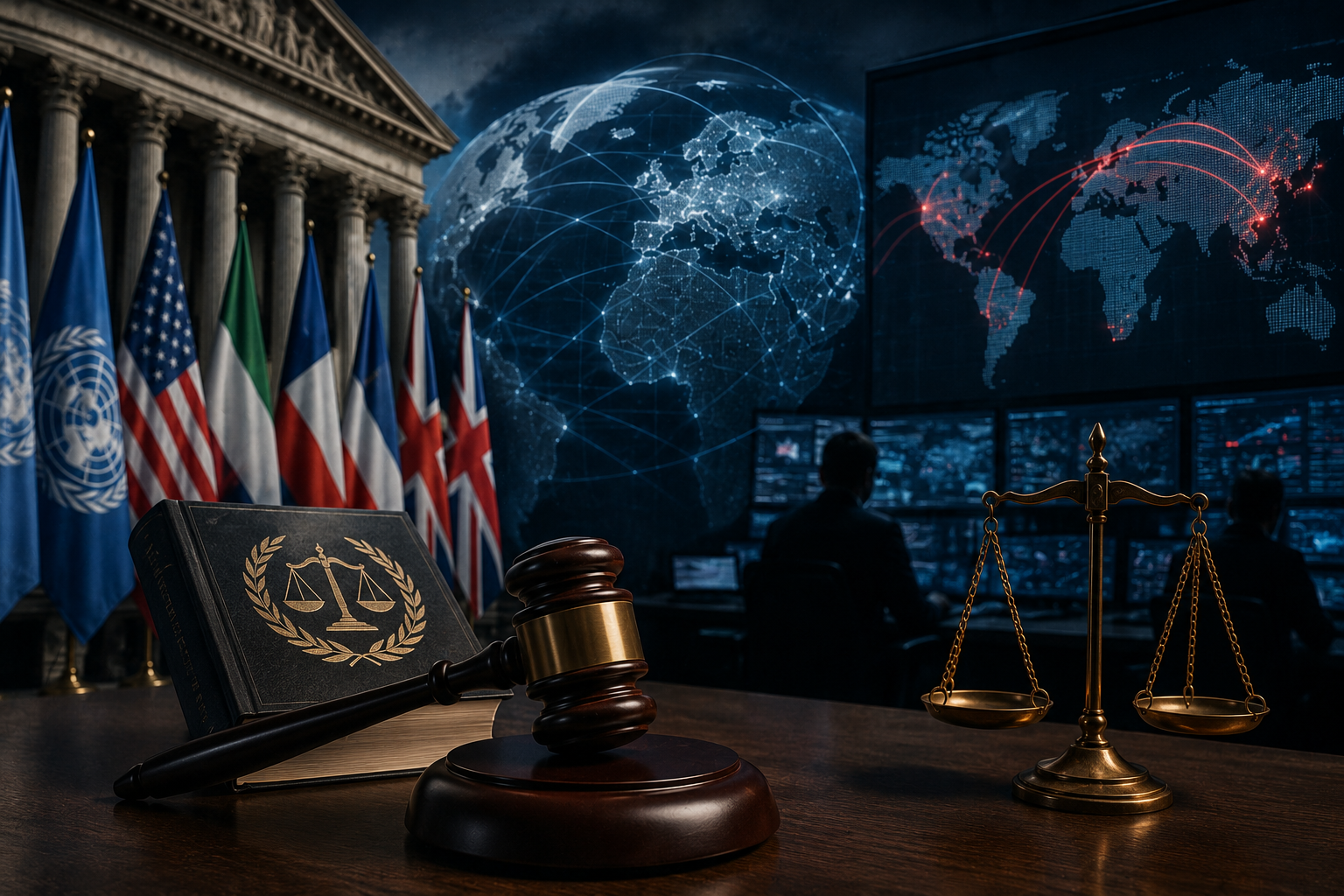
Cyber warfare is becoming an increasingly important issue in international relations. Governments, infrastructure systems, banks, defense organizations, and communication networks now depend heavily on digital platforms, making cybersecurity a matter of national security. Unlike traditional military conflict, cyberattacks often occur without geographic boundaries or direct physical confrontation. This creates legal uncertainty around attribution, retaliation, and state responsibility under international law. Governments worldwide are strengthening cyber defense strategies as ransomware attacks, digital espionage, and infrastructure breaches continue to rise. International organizations are also discussing legal frameworks to establish acceptable norms for state behavior in cyberspace. Businesses face growing pressure to improve cyber resilience because attacks on supply chains, energy systems, cloud infrastructure, and financial services can create large-scale economic disruption. Legal experts argue that existing treaties may no longer fully address the realities of modern digital conflict. Future international agreements may require clearer standards on cyber deterrence, digital sovereignty, and cross-border cooperation
"AI will not replace humans. But humans who use AI will replace those who don't."
Why It Matters
Enterprises and financial institutions are accelerating their adoption of automated intelligence to optimize capital allocation, streamline operation flows, and build resilient market strategies.
The executives who succeed over the next decade are those investing early in data infrastructure, governance, and organizational alignment across all core business units.
Subscribe to Our Weekly Newsletter
Get executive briefings, market analysis, and new article releases straight to your inbox.
Subscribe to The Success World