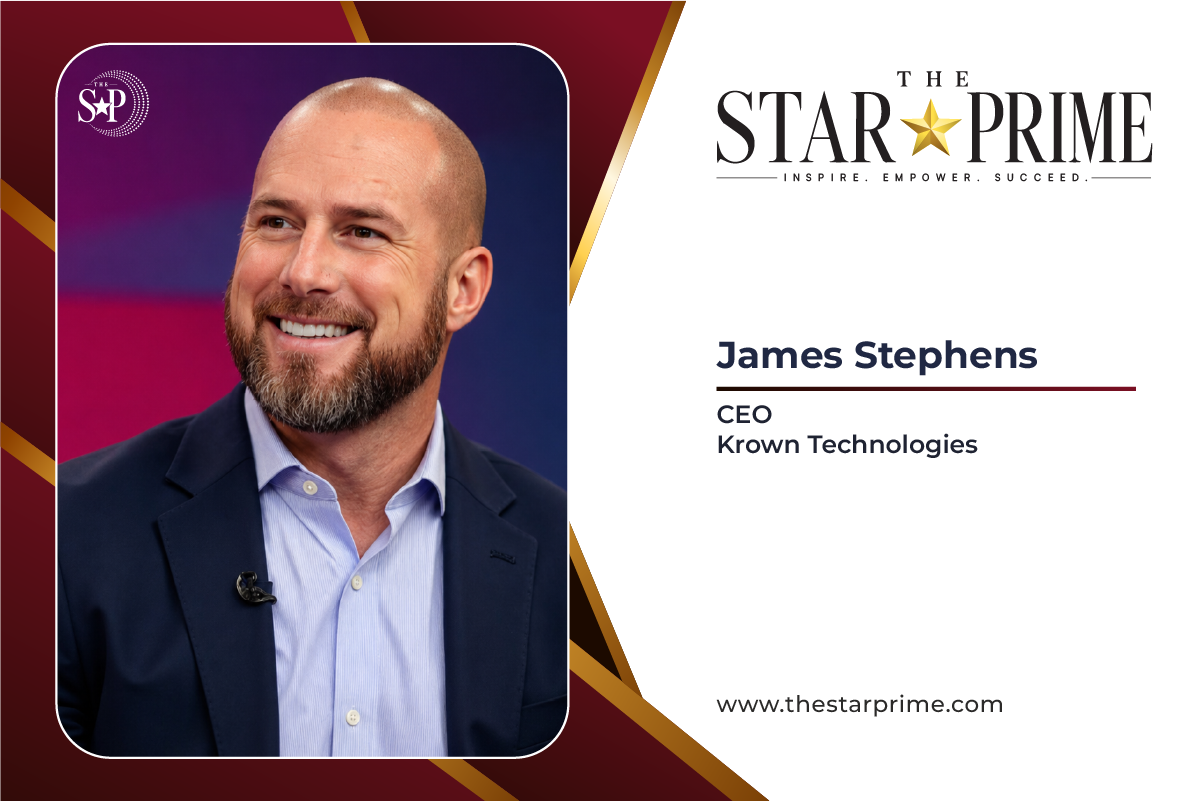
James Stephens: Redefining Trust, Technology, and the Future of Blockchain in 2026 In an era where digital transformation is reshaping every aspect of society, blockchain technology has emerged as one of the most influential innovations of the modern age. Once associated primarily with cryptocurrency, blockchain has evolved into a powerful framework for transparency, security, and trust across industries. As organizations seek more efficient ways to manage data, transactions, and digital interactions, visionary leaders are helping guide this transformation. Among them is James Stephens, a forward-thinking executive recognized as one of the rising voices helping shape the future of blockchain and cryptocurrency in 2025. Stephens’ journey reflects a commitment to innovation, accountability, and responsible technological advancement. His leadership philosophy extends beyond business growth, focusing on how emerging technologies can create meaningful value for organizations, communities, and future generations. At a time when trust has become one of the most valuable currencies in the digital world, his perspective highlights the importance of building systems that are secure, transparent, and designed to serve people. The blockchain industry has experienced remarkable growth over the past decade. What began as the underlying technology behind digital currencies has expanded into a global ecosystem supporting decentralized finance, smart contracts, digital identity systems, supply chain management, healthcare records, and more. Governments, enterprises, and startups are increasingly exploring blockchain’s potential to improve efficiency while reducing risks associated with centralized systems. Yet rapid growth has also introduced new challenges. Questions surrounding regulation, cybersecurity, ethical governance, and long-term sustainability continue to shape industry discussions. For blockchain technology to reach its full potential, leaders must balance innovation with responsibility. James Stephens has consistently emphasized the importance of this balance, advocating for solutions that combine technological progress with strong ethical foundations. His approach reflects a broader belief that technology should strengthen trust rather than undermine it. By focusing on transparency, accountability, and user empowerment, he represents a new generation of leaders committed to creating positive and sustainable digital ecosystems. One of the most significant themes influencing the future of blockchain is the growing relationship between artificial intelligence and decentralized technologies. AI systems are becoming increasingly powerful, capable of analyzing vast amounts of data and automating complex decision-making processes. At the same time, concerns regarding bias, accountability, and transparency continue to generate debate among policymakers, businesses, and technology experts. Blockchain offers unique opportunities to address some of these concerns. By creating immutable records and transparent verification systems, blockchain can help improve accountability within AI-driven environments. Stephens has often highlighted the importance of integrating these technologies responsibly, ensuring that innovation remains aligned with ethical principles. The convergence of AI and blockchain has the potential to transform industries ranging from finance and healthcare to logistics and public administration. Blockchain can provide trusted data sources for AI systems, while AI can enhance blockchain efficiency and scalability. Together, these technologies may help organizations develop smarter, more secure, and more transparent solutions for complex global challenges. At the core of Stephens’ vision is the concept of trust technology. While many discussions around blockchain focus on cryptocurrencies and financial markets, he views the technology through a broader lens. In his perspective, blockchain represents a foundational tool for establishing confidence in digital interactions. Whether verifying transactions, securing records, or enabling decentralized collaboration, blockchain creates systems where trust can be built through transparency rather than reliance on intermediaries. This philosophy is particularly relevant in an increasingly interconnected world. Businesses operate across borders, consumers interact with digital platforms daily, and organizations manage vast volumes of sensitive information. In such an environment, ensuring data integrity and accountability becomes essential. Blockchain provides a framework for achieving these goals while reducing opportunities for manipulation and fraud. Stephens’ leadership emphasizes the importance of designing solutions that prioritize both innovation and usability. Technology adoption succeeds when users understand its value and trust the systems they engage with. By promoting accessible and practical applications of blockchain, he encourages broader participation in the digital economy. Another defining aspect of Stephens’ leadership is his belief in decentralization with purpose. Decentralization is often celebrated as one of blockchain’s most transformative features because it reduces dependence on centralized authorities and distributes control across networks. However, meaningful decentralization requires thoughtful implementation. Without clear governance structures and user protections, decentralized systems can create new complexities and risks. Stephens advocates for an approach that combines the benefits of decentralization with strong frameworks for accountability and security. This perspective recognizes that technology alone cannot solve every challenge. Successful innovation requires collaboration among businesses, regulators, developers, and communities. By encouraging dialogue and responsible development practices, he supports the creation of ecosystems that are resilient, inclusive, and sustainable. His focus on long-term value creation also distinguishes his leadership approach. Rather than pursuing short-term trends, he emphasizes solutions that address real-world problems and deliver measurable benefits. This mindset aligns with the growing demand for practical blockchain applications capable of driving operational efficiency, enhancing transparency, and supporting economic growth. Recognition among the Top Rising CEOs Shaping the Future of Blockchain and Crypto in 2025 reflects the impact of Stephens’ contributions to the industry. Such recognition represents more than professional achievement; it highlights the growing importance of leadership that combines technological expertise with ethical responsibility. As the blockchain sector continues to evolve, organizations increasingly seek leaders capable of navigating complexity while maintaining a clear vision for the future. The broader significance of this recognition lies in what it represents for the industry itself. Blockchain is entering a new phase of maturity characterized by greater institutional participation, regulatory development, and mainstream adoption. During this transition, leaders who prioritize trust, transparency, and accountability will play a crucial role in shaping public perception and driving sustainable growth. Looking ahead, the future of blockchain extends far beyond financial applications. Emerging use cases continue to demonstrate the technology’s potential to improve healthcare systems, strengthen supply chain visibility, support digital identity management, enhance educational credential verification, and improve public sector services. These developments illustrate how blockchain can contribute to greater efficiency and trust across diverse sectors of society. As innovation accelerates, the need for responsible leadership becomes increasingly important. James Stephens represents a leadership model grounded in integrity, forward thinking, and a commitment to creating meaningful impact. His perspective on blockchain as a technology of trust offers valuable insight into how organizations can harness innovation while maintaining accountability and transparency. The digital future will be defined not only by technological advancement but also by the values that guide its development. Through his focus on ethical innovation, collaborative progress, and long-term value creation, Stephens continues to contribute to conversations shaping the next generation of blockchain solutions. His journey serves as a reminder that successful leadership is not solely about embracing change—it is about ensuring that change creates lasting benefits for people, businesses, and society as a whole. As blockchain continues its evolution from emerging technology to foundational infrastructure, leaders like James Stephens will remain instrumental in helping define its direction. By championing trust, transparency, and responsible innovation, he embodies the qualities needed to guide the industry into its next chapter and help unlock the full potential of a more connected and decentralized world.
"AI will not replace humans. But humans who use AI will replace those who don't."
Why It Matters
Enterprises and financial institutions are accelerating their adoption of automated intelligence to optimize capital allocation, streamline operation flows, and build resilient market strategies.
The executives who succeed over the next decade are those investing early in data infrastructure, governance, and organizational alignment across all core business units.
Subscribe to Our Weekly Newsletter
Get executive briefings, market analysis, and new article releases straight to your inbox.
Subscribe to The Success World