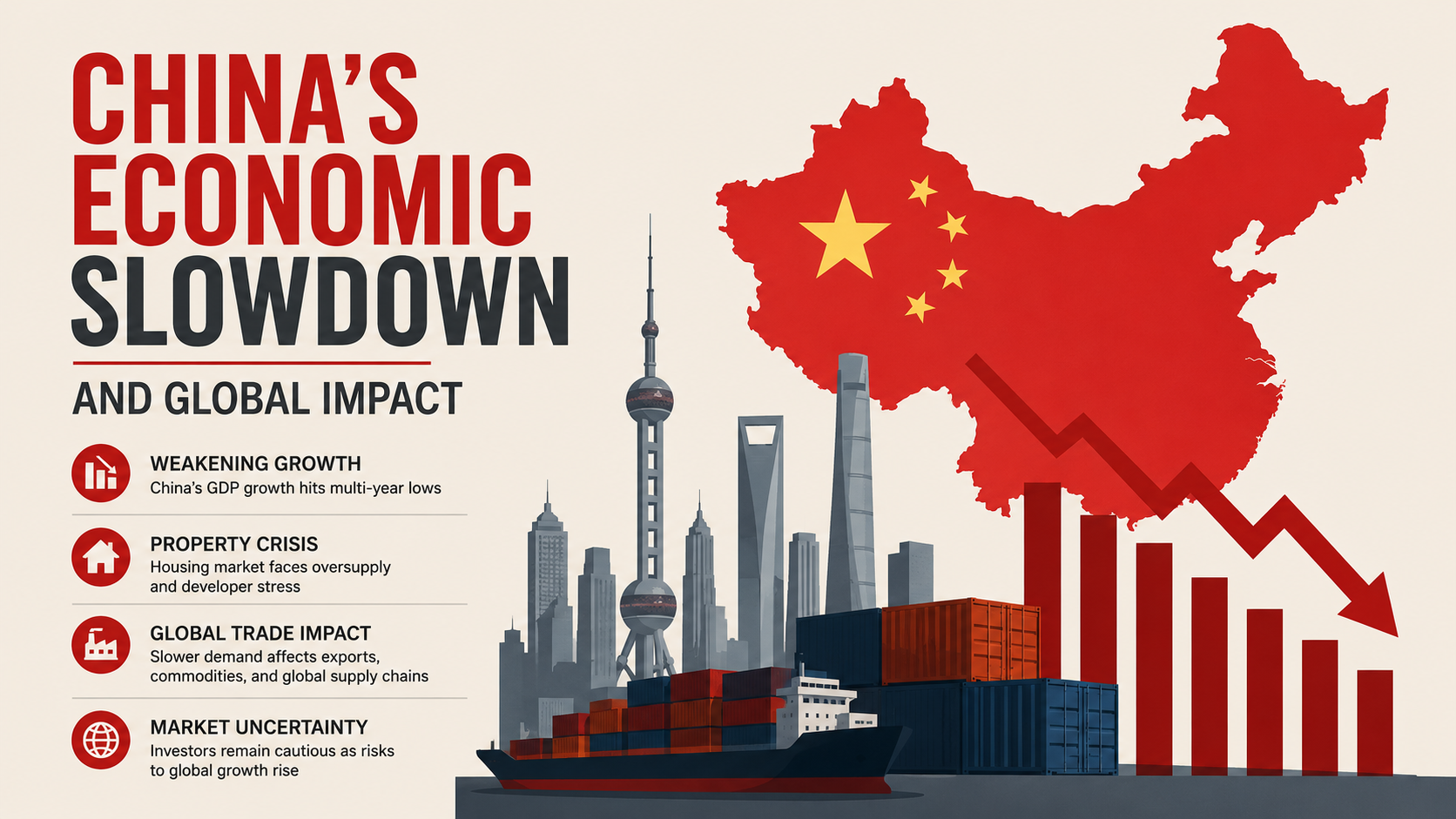
Geopolitical tensions in the Middle East continue to influence financial markets, energy prices, and international trade routes. Recent developments have heightened concerns about the security of key shipping corridors responsible for transporting energy products to global markets. The conflict's impact extends beyond oil. Electricity markets across Asia-Pacific regions are experiencing increased uncertainty due to concerns over fuel supply stability. Governments and corporations are reassessing energy procurement strategies and strengthening contingency plans against potential disruptions. Investors have responded by increasing allocations toward safe-haven assets while reducing exposure to sectors vulnerable to supply chain interruptions. Defense stocks have seen increased investor interest as governments review military spending priorities amid rising regional tensions. Shipping and logistics firms are also facing higher insurance and operational costs. These additional expenses are gradually being passed through to manufacturers and consumers, contributing to inflationary pressures in several economies. Economic analysts note that while markets have become more resilient to geopolitical shocks over the past decade, prolonged conflict could significantly affect global growth forecasts. Energy-intensive industries remain particularly exposed to sudden commodity price spikes. Financial institutions are closely monitoring diplomatic developments, as any escalation or de-escalation could quickly alter market sentiment. The situation highlights the growing relationship between geopolitical stability, energy security, and economic performance in today's interconnected global economy.
"AI will not replace humans. But humans who use AI will replace those who don't."
Why It Matters
Enterprises and financial institutions are accelerating their adoption of automated intelligence to optimize capital allocation, streamline operation flows, and build resilient market strategies.
The executives who succeed over the next decade are those investing early in data infrastructure, governance, and organizational alignment across all core business units.
Subscribe to Our Weekly Newsletter
Get executive briefings, market analysis, and new article releases straight to your inbox.
Subscribe to The Success World