Why Data Ownership Is Becoming a Major Legal Issue
5 min read
Found 142 result(s) for "all content"

As digital data becomes more valuable, ownership rights are becoming a major legal concern.

The stock market plays a central role in the modern economy, connecting investors with businesses seeking capital. More than a venue for trading shares, it serves as a critical mechanism for economic growth, corporate expansion, wealth creation, and market confidence.

Edge computing is revolutionizing technology by processing data closer to its source rather than relying entirely on centralized cloud servers. By reducing latency, improving efficiency, enhancing security, and enabling real-time decision-making, edge computing is driving innovation across industries such as AI, IoT, healthcare, manufacturing, smart cities, and autonomous vehicles.
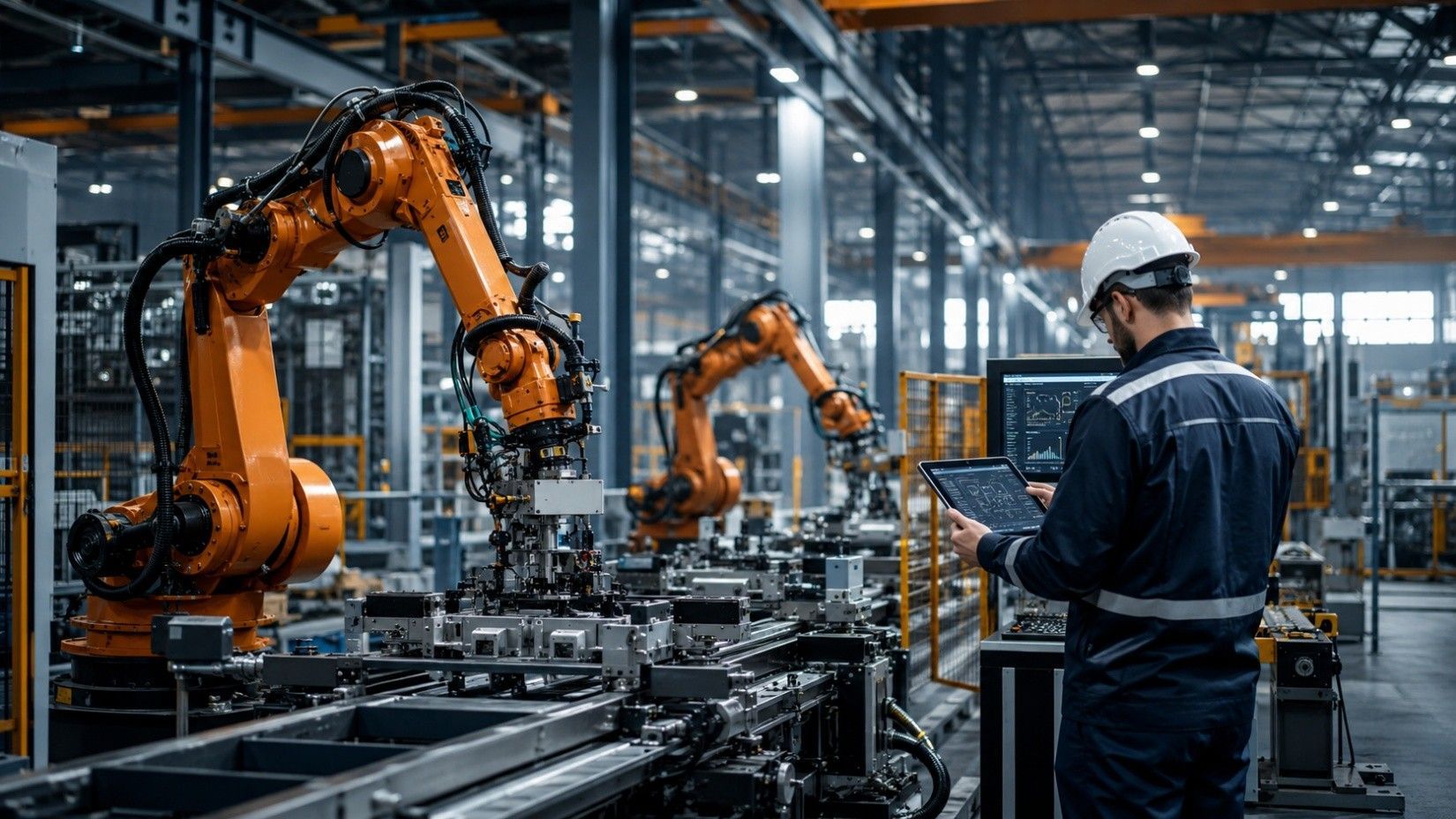
Manufacturers worldwide are adopting smart technologies to improve efficiency, strengthen supply chains, and remain competitive in an increasingly complex global economy.

Artificial intelligence is rapidly becoming a foundational technology of the global economy. From business operations and investment strategies to public services and everyday consumer experiences, AI is reshaping how organizations create value, compete, and innovate in the digital age.

The international system is experiencing significant change as nations reassess strategic partnerships, economic relationships, and security priorities. New geopolitical realities are reshaping alliances that have defined global affairs for decades.
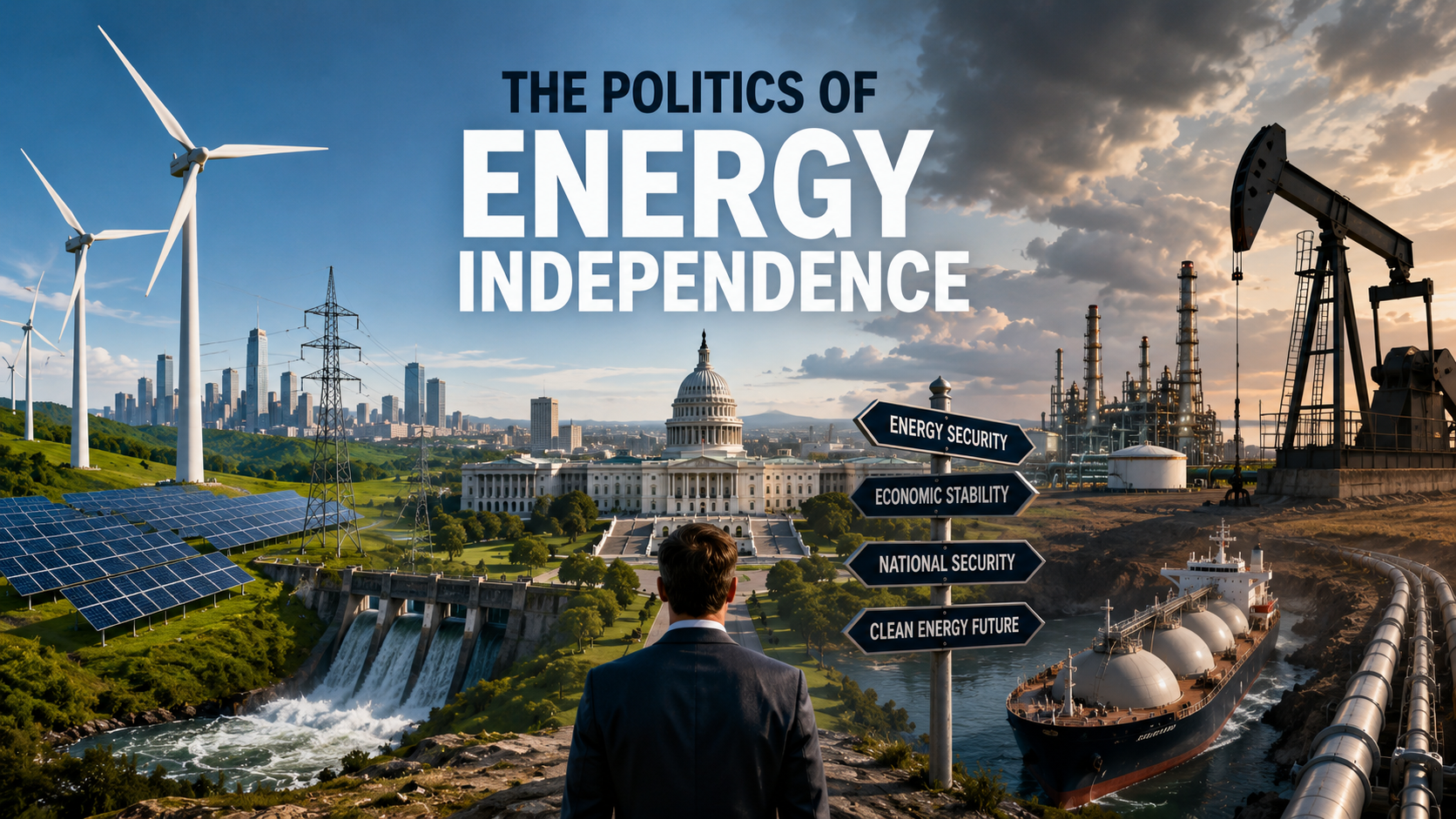
Energy independence has become a major political and economic objective for governments worldwide. As nations seek greater control over their energy supplies, the issue is reshaping investment decisions, foreign policy, and the global energy landscape.

Artificial intelligence is helping doctors identify diseases at earlier stages than ever before.
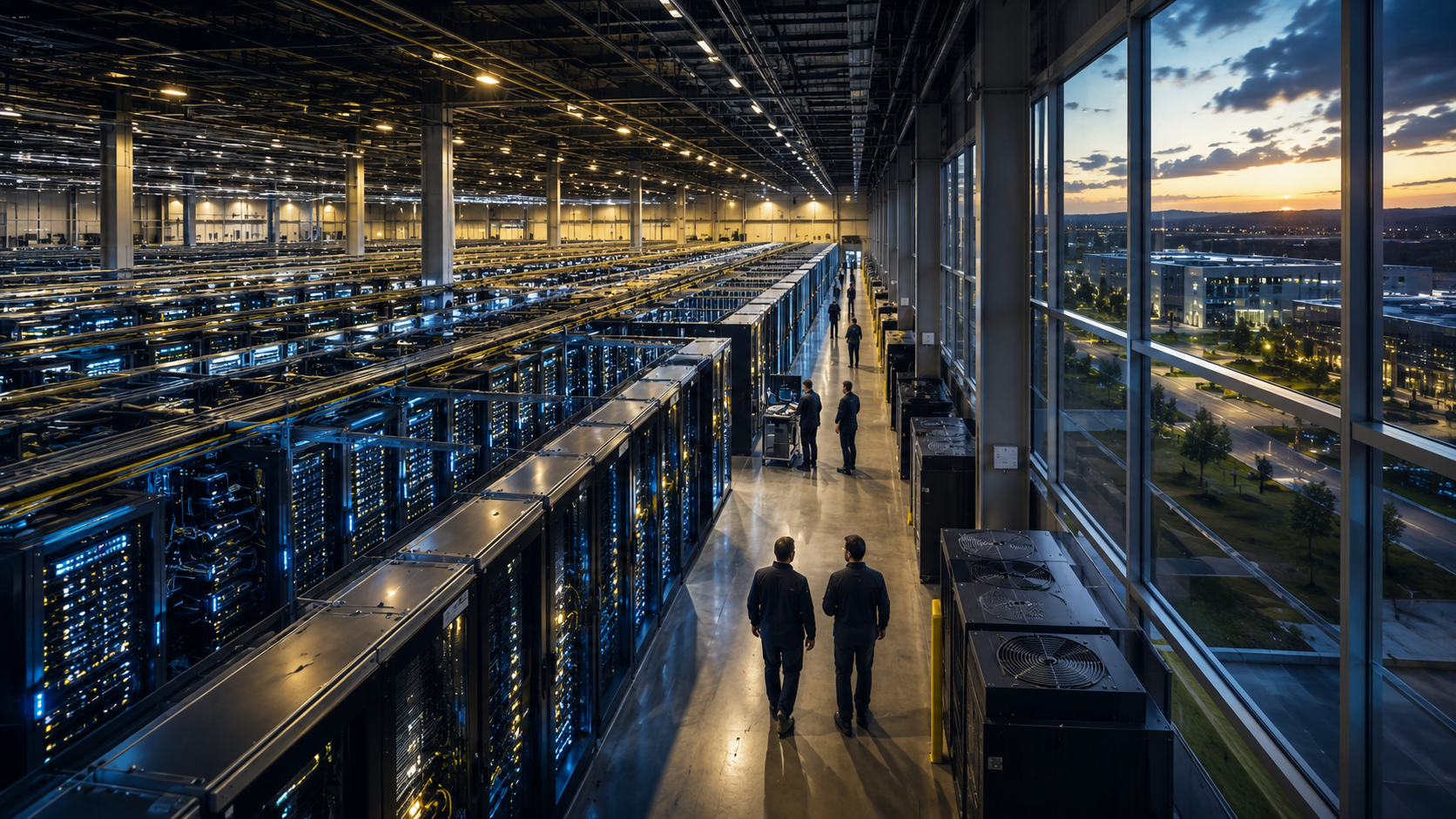
As artificial intelligence becomes a strategic technology, companies and governments are investing heavily in AI supercomputers. This article explores why these powerful systems matter, the forces driving their development, and their impact on business, society, and the future of innovation.

Governments around the world are tightening digital privacy regulations as personal data becomes a critical economic asset. The shift is reshaping how businesses collect, manage, and protect information while influencing consumer trust, investment decisions, and the future of the digital economy.

Sovereign debt has become a defining feature of modern economies. As governments navigate rising spending demands, economic uncertainty, and changing financial conditions, the future of government borrowing will play a critical role in shaping growth, stability, and public investment worldwide.

Artificial Intelligence remains the dominant investment theme in global markets during 2026. Businesses, venture capital firms, and institutional investors continue directing billions of dollars toward AI infrastructure, software, and enterprise applications. Recent investments and partnerships demonstrate growing confidence in AI's long-term economic impact. Major consulting firms and technology providers are accelerating efforts to deploy AI-powered workflows across industries including finance, healthcare, manufacturing, and customer service. Market analysts describe AI as a new capital formation cycle, similar to the internet boom and cloud computing revolution. Companies are spending heavily on data centers, advanced computing infrastructure, and AI talent acquisition to maintain competitive advantages. Enterprise adoption continues to accelerate as organizations seek productivity improvements and operational efficiencies. AI-powered automation is increasingly being integrated into business intelligence, content generation, software development, and decision-support systems. While enthusiasm remains high, some analysts caution that valuations in certain AI-related companies may be running ahead of current revenue generation. Nevertheless, most forecasts suggest AI spending will continue growing rapidly over the next several years. The sector's influence on stock markets is substantial, with AI leaders contributing significantly to market performance across major global indices. Investors increasingly view AI as a foundational technology that will reshape nearly every industry.
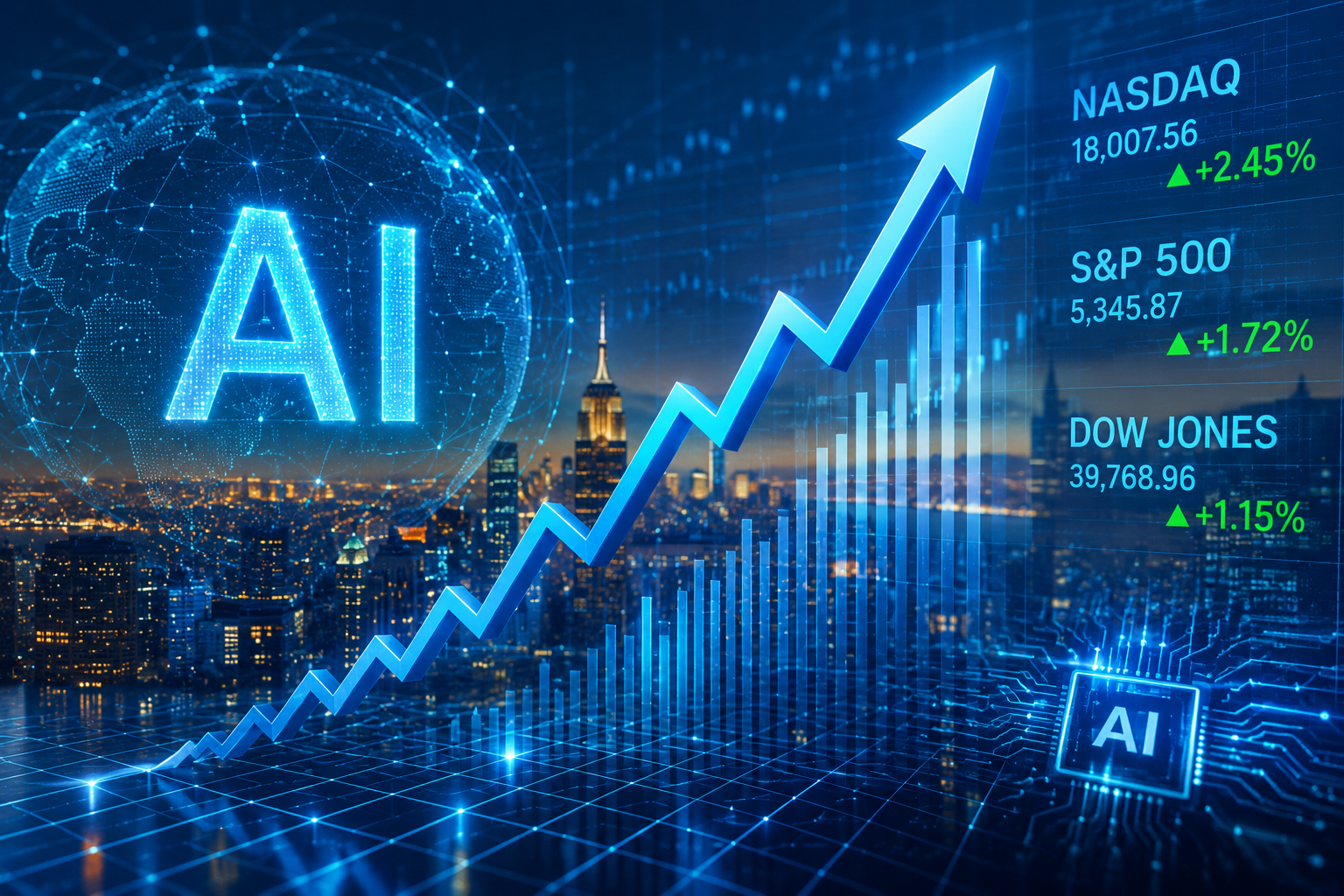
Artificial intelligence remains one of the most powerful forces shaping global financial markets in 2026. Investors worldwide continue to channel capital into technology companies that are developing AI-powered products, cloud infrastructure, semiconductor technologies, and automation solutions. The growing adoption of AI across industries such as healthcare, manufacturing, finance, and retail has created significant opportunities for businesses and investors alike. Technology giants are expanding their AI capabilities through research investments, strategic acquisitions, and partnerships. At the same time, startups focused on generative AI, machine learning, and robotics are attracting record levels of venture capital funding. This surge in investment has contributed to strong performances in major stock indices, particularly in sectors linked to computing power and data processing. However, analysts caution that valuations in some areas of the AI market have risen rapidly, leading to concerns about potential market corrections. Investors are increasingly evaluating whether current earnings growth can justify the high expectations reflected in stock prices. Despite these concerns, many economists believe the AI revolution is still in its early stages. Businesses continue to integrate intelligent technologies into daily operations, improving productivity and reducing costs. Governments are also investing in AI infrastructure to enhance national competitiveness. As AI adoption expands globally, market participants are closely monitoring earnings reports, regulatory developments, and technological breakthroughs. The sector is expected to remain a major driver of global market sentiment throughout the year, influencing investment decisions across both developed and emerging economies.

As data flows increasingly cross national borders, governments are introducing stricter privacy and cybersecurity regulations. Businesses operating internationally must navigate a complex web of legal requirements designed to protect personal information while enabling global commerce.

As artificial intelligence becomes a major tool for creating text, images, music, software, and video, a critical question is emerging: who owns the content generated by AI? The answer carries significant implications for businesses, creators, investors, governments, and the future of the digital economy.

A magazine-style analysis of why countries are competing for critical minerals, examining supply chains, energy transition pressures, geopolitical tensions, and economic consequences for industries, investors, and consumers.

Global leadership is undergoing significant changes as emerging economies gain influence and technological competition intensifies. Countries are adapting to new economic realities, geopolitical challenges, and shifting trade relationships.

Mental health challenges are rising across the world, affecting workplaces, economies, healthcare systems, and communities. As stress, burnout, loneliness, and uncertainty grow, governments and businesses face increasing pressure to address one of the defining public health issues of the modern era.

Private credit has emerged as one of the most significant developments in modern finance. As businesses seek alternative sources of funding and investors search for new opportunities, private lending is reshaping capital markets and influencing economic activity worldwide.
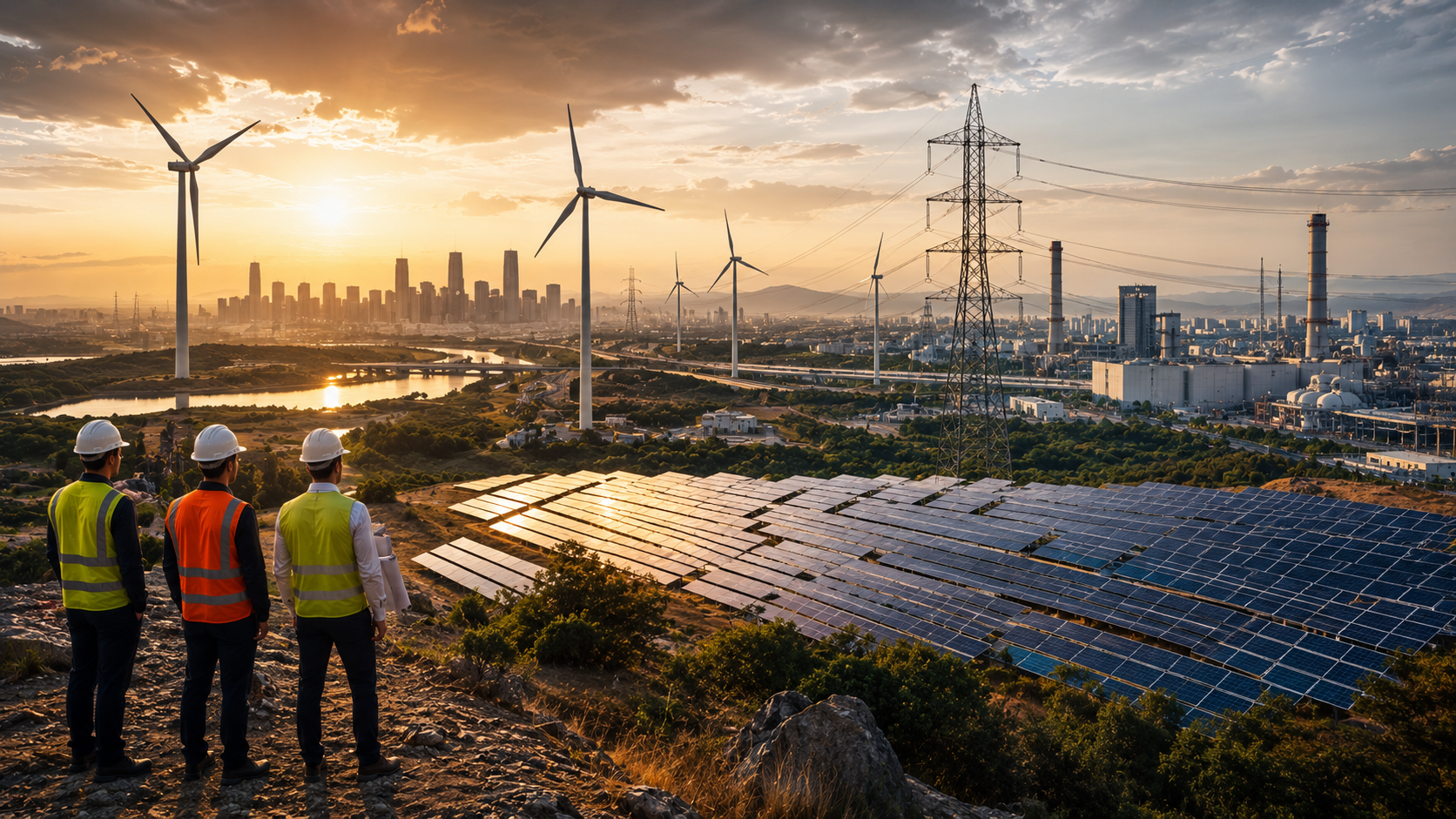
The global energy transition is reshaping industries, infrastructure, and investment strategies. As governments and businesses modernize energy systems, new opportunities are emerging across power generation, storage, transportation, and technology, creating one of the most significant investment themes of the modern economy.
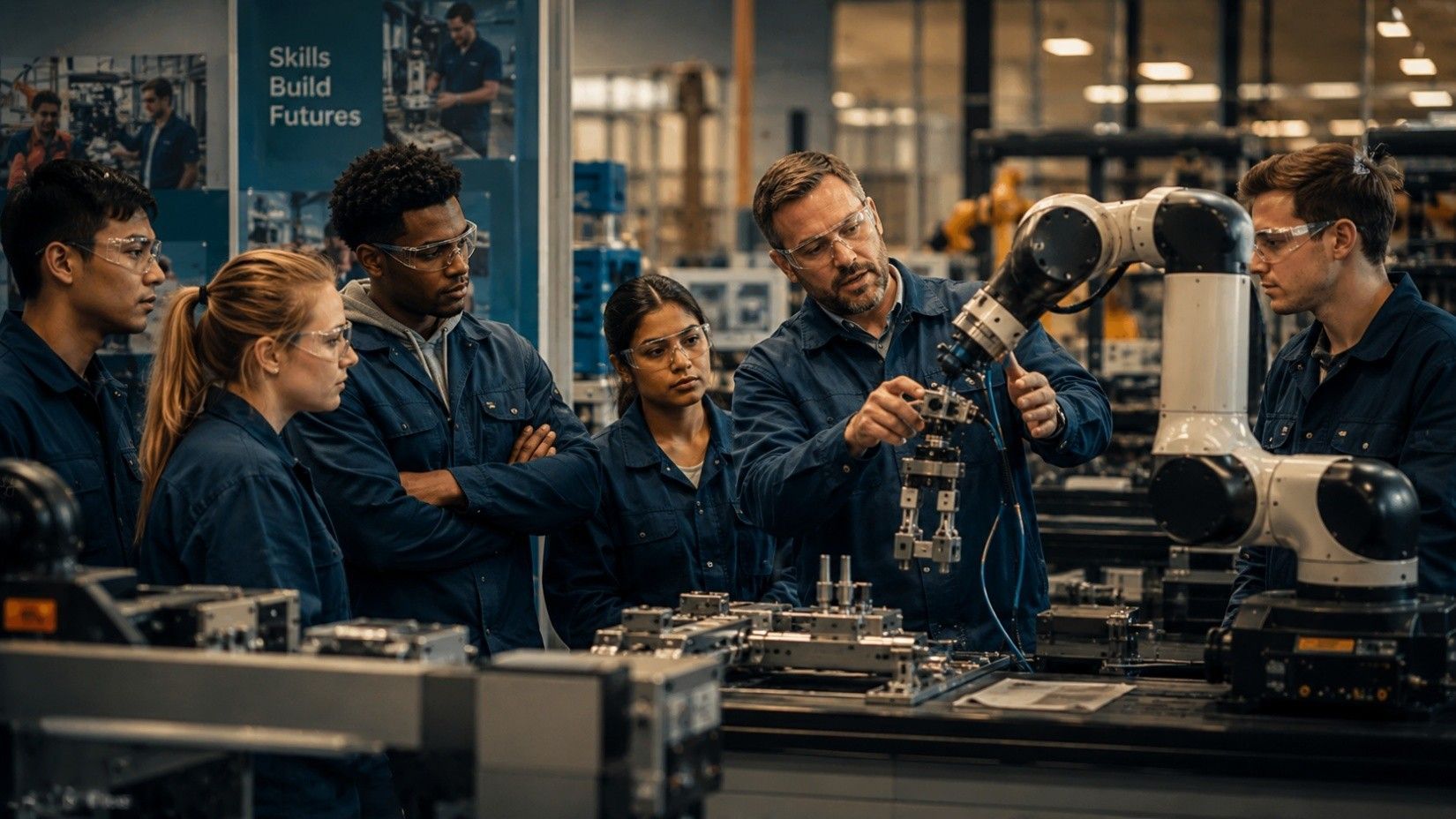
As manufacturing becomes more advanced, companies worldwide are facing a growing challenge: finding workers with the technical skills needed to support the next generation of industrial production.

Artificial intelligence is rapidly evolving from a specialized technology into a foundational layer of the global economy. This article explores the forces driving AI adoption, its impact on businesses and governments, and what the future may hold for industries and society.

10 Best Business Magazines for Entrepreneurs 2024. Forbes, Fortune Business Magazine, Harvard Business Review, Inc. magazine, The Entrepreneurial Chronicles, Entrepreneur, Fast Company, Bloomberg Businessweek, The Economist, Wired.

The global shortage of essential medicines has become a growing healthcare challenge, affecting millions of patients worldwide. Factors such as supply chain disruptions, manufacturing limitations, rising demand, and economic pressures have reduced the availability of critical medications. This issue impacts patient care, delays treatments, and places additional strain on healthcare systems, highlighting the need for stronger pharmaceutical supply chains and global collaboration.

An editorial analysis of how robotics is reshaping modern surgery by improving precision, reducing recovery times, and transforming hospitals, healthcare markets, and medical innovation systems worldwide.
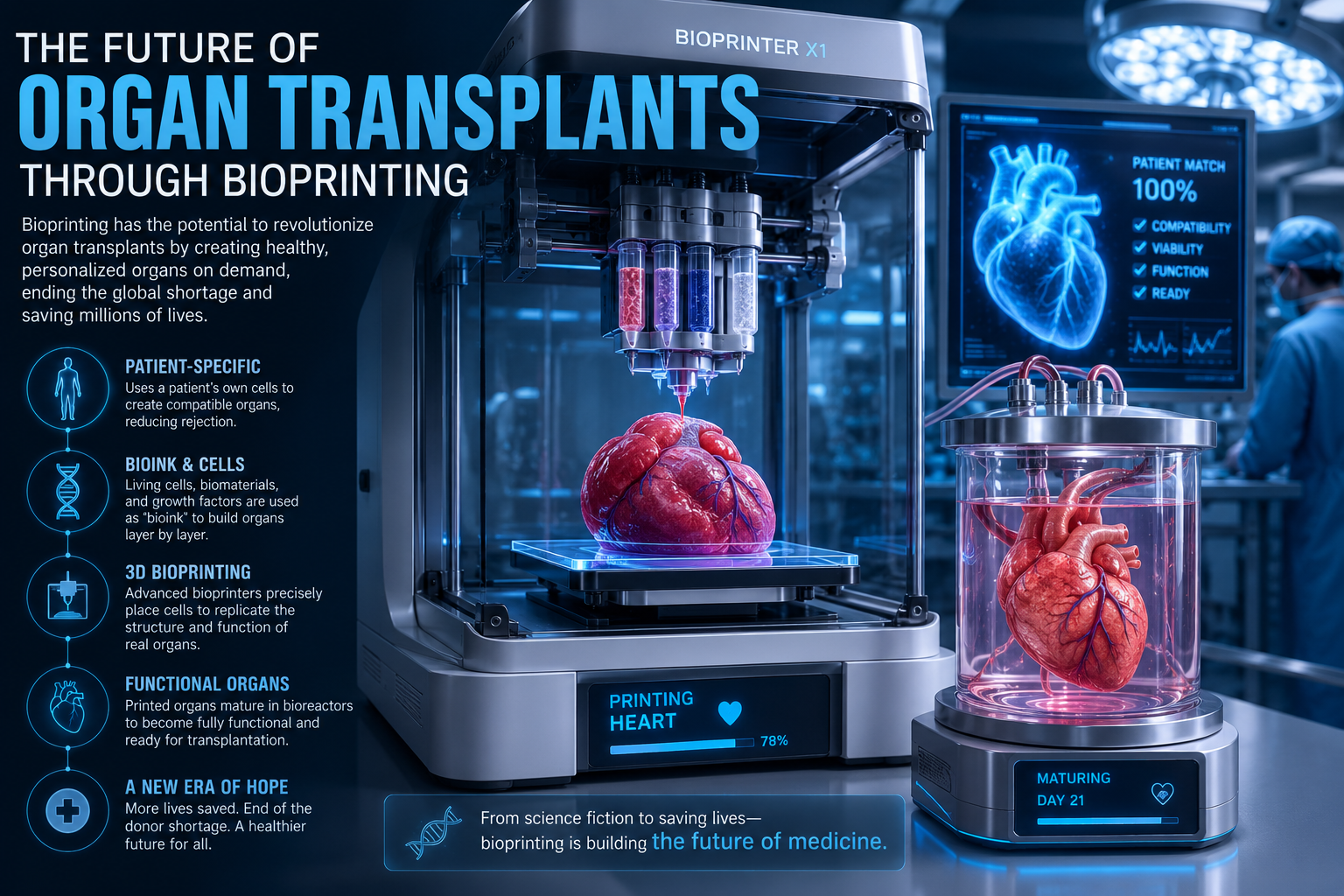
The global demand for organ transplants continues to exceed supply, creating one of modern healthcare’s biggest challenges. Thousands of patients remain on waiting lists every year, while medical professionals search for more reliable and scalable alternatives. Bioprinting is emerging as one of the most closely watched technologies in regenerative medicine.

How AI-powered devices are shaping the future of consumer technology beyond smartphones.
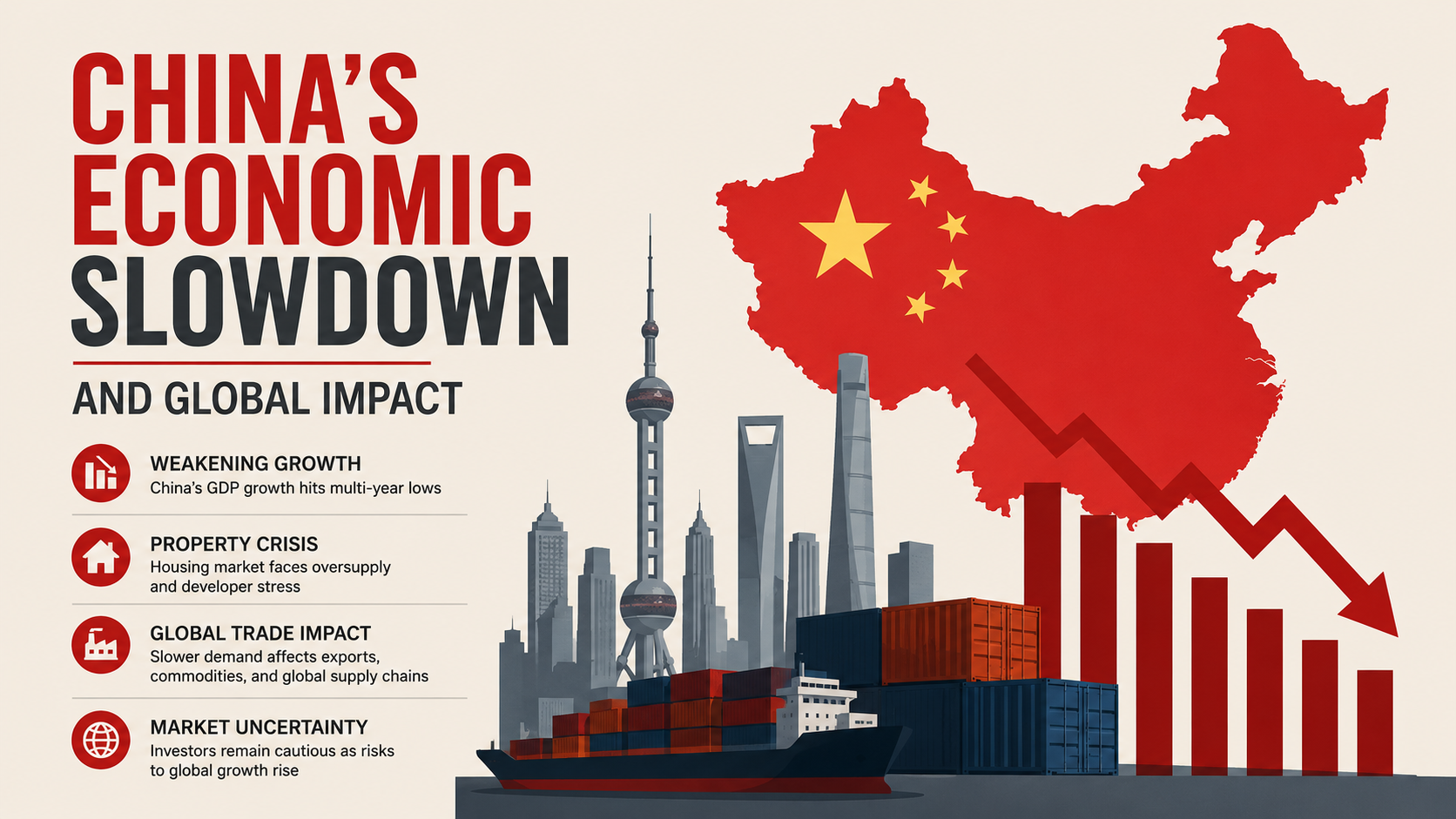
China's economic slowdown is becoming one of the most important stories in the global economy. As growth weakens, the effects are being felt far beyond China's borders, influencing trade, manufacturing, commodity prices, and investment markets worldwide.

Politics influences nearly every aspect of modern society, from economic growth and regulation to national security and public services. This article examines the evolving politics industry, the forces driving change, and its implications for businesses, investors, governments, and citizens.

This article explains how global interest rates shape financial markets, influence investment decisions, and affect economies worldwide. It explores the role of central banks, inflation control, and the ripple effects across bonds, equities, currencies, and business activity

Advances in medicine, biotechnology, nutrition, and preventive healthcare are transforming how people age. Living beyond 100 is becoming an increasingly realistic possibility, raising important questions for businesses, governments, and society.

The stock market industry remains one of the most influential components of the global economy, connecting businesses seeking capital with investors pursuing growth. This article explores the forces shaping modern stock markets and their impact on companies, governments, investors, and society.

As antitrust authorities renew scrutiny of major technology companies, the debate over competition, innovation, and market power is entering a new phase. The outcome could reshape digital markets, investment strategies, and the future of the global technology industry.
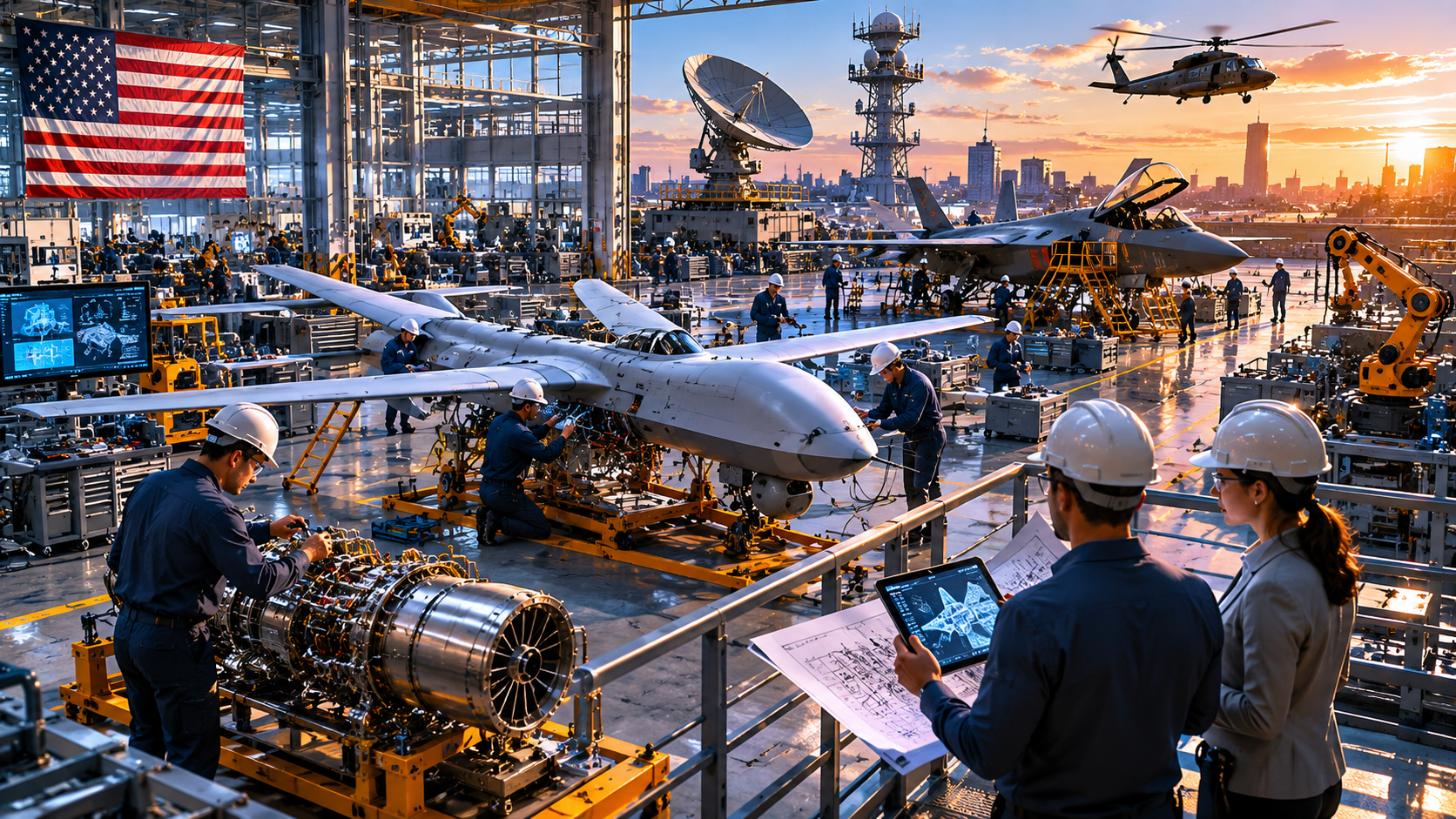
Defense companies have become some of the strongest performers in global markets as governments increase security spending and modernize military capabilities. The trend highlights the growing connection between national security, industrial policy, technology development, and long-term investment strategies.
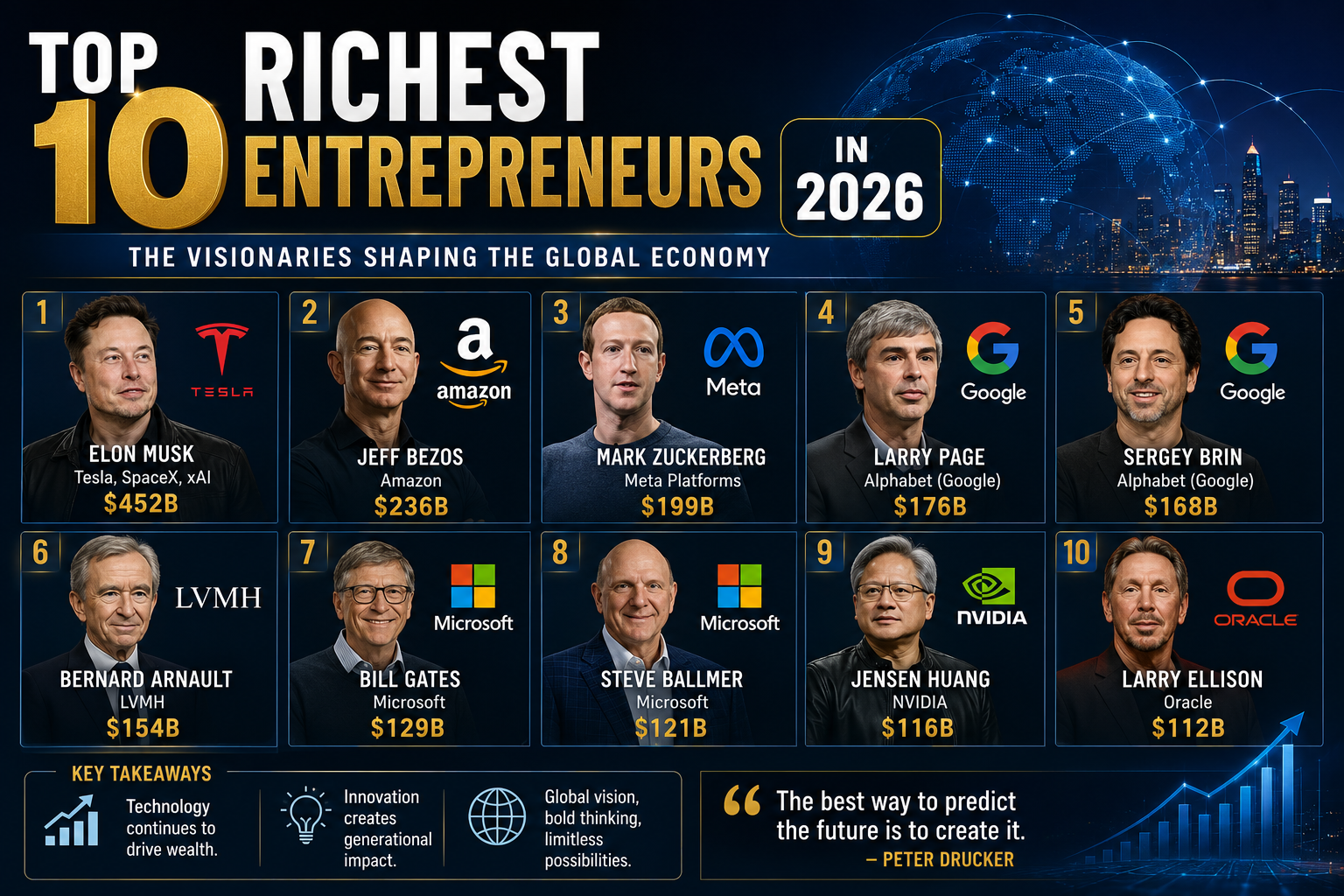
Discover the Richest Entrepreneurs in 2026, from Elon Musk to Bernard Arnault, and how innovation and leadership shaped global wealth.
ESG investing is transforming the stock market by integrating environmental, social, and governance factors into investment decisions. As sustainability, ethical business practices, and long-term value creation become increasingly important, ESG investing is expected to play a major role in shaping future financial markets and corporate strategies.
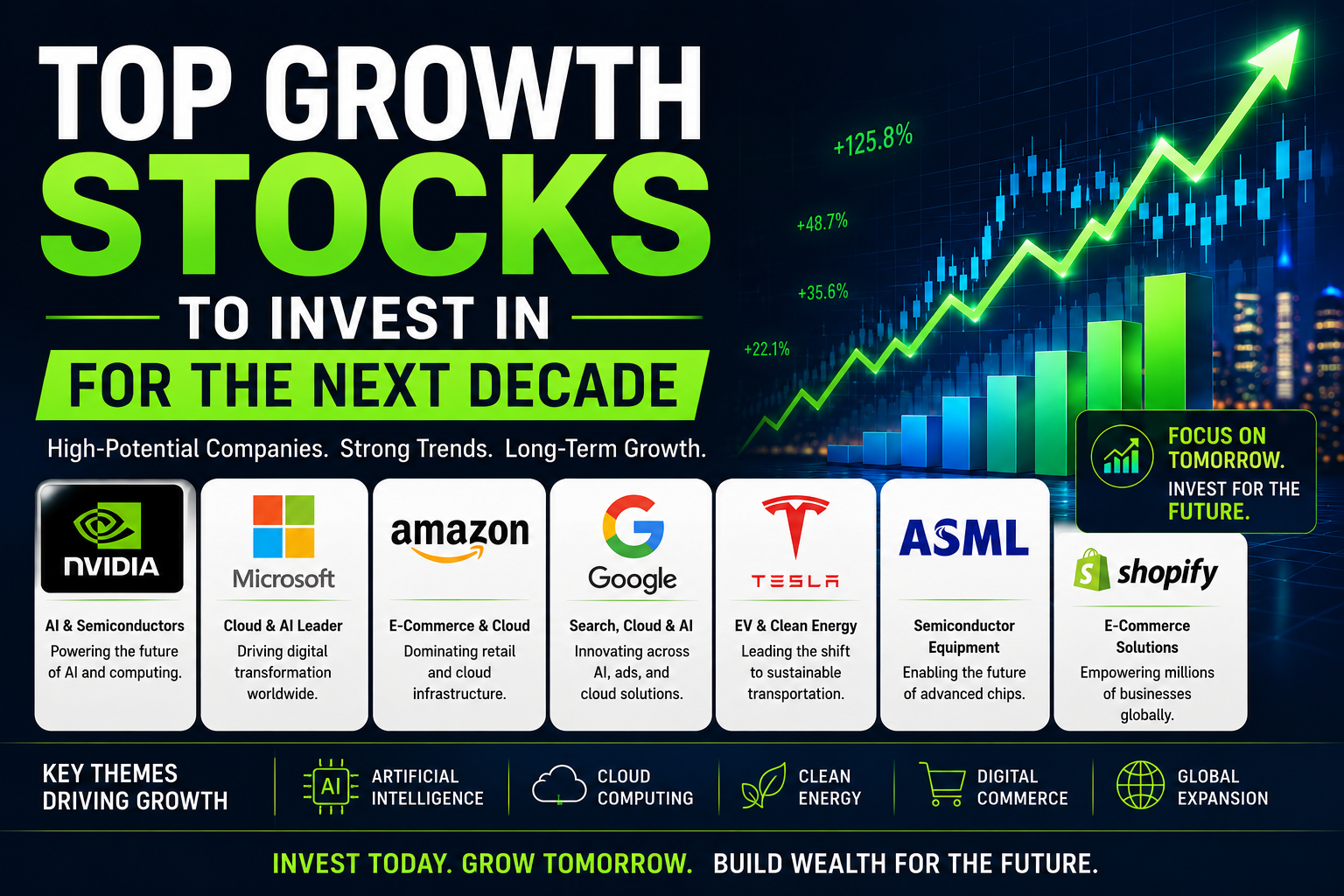
Discover top Growth Stocks to Invest in for the next decade from AI and renewable energy to biotech and emerging markets for long-term wealth creation.

This article explains why data centers have become essential strategic assets in the global economy, shaping competition among businesses, governments, and technology firms. It explores the economic, technological, and geopolitical forces driving their importance.

As generative AI becomes embedded in business operations, companies face rising legal uncertainty around intellectual property, data privacy, liability, and regulatory compliance. The risks are reshaping how firms deploy and govern AI systems.

Women's health innovation is gaining momentum as new technologies, research investments, and healthcare solutions address long-overlooked medical needs.

The legal sector underpins economic stability, business confidence, and social trust. As regulations evolve and global markets become more interconnected, legal systems and professional legal services play an increasingly important role in supporting growth, managing risk, and protecting rights.

International arbitration is becoming the preferred method for resolving cross-border business disputes due to its neutrality, confidentiality, and global enforceability. As technology, globalization, and emerging industries reshape the business landscape, arbitration is evolving through virtual hearings, AI-powered tools, and modern legal frameworks, making it a critical component of future international commerce.

Space exploration is evolving from a scientific pursuit into a strategic arena of international competition. As governments and private companies invest in satellites, lunar missions, and advanced space technologies, space is becoming increasingly important to economic growth, national security, and global influence.

The economic, technological, and geopolitical pressures that could influence the next major market downturn.
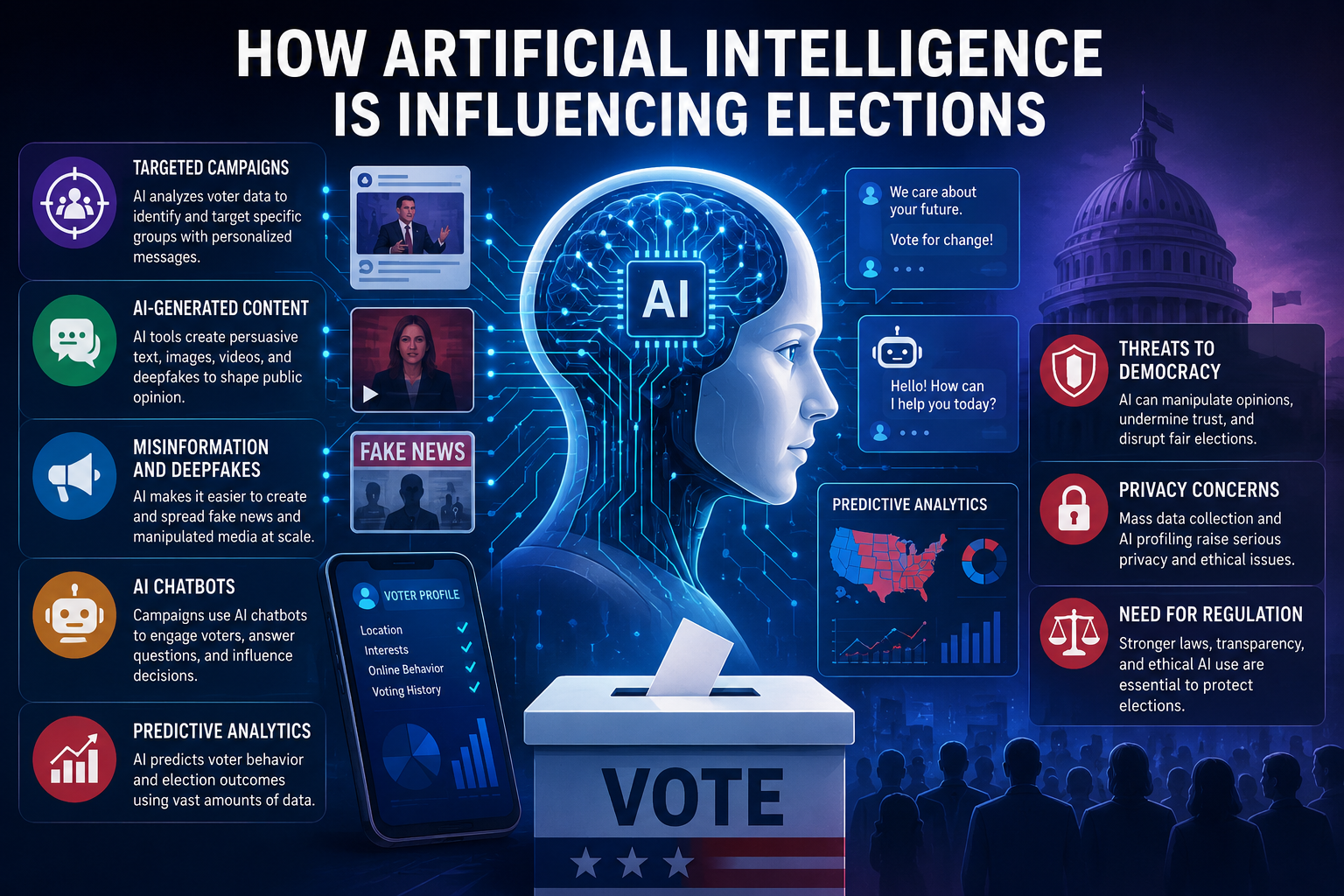
Artificial intelligence is becoming an increasingly important factor in modern elections. From campaign communication and voter engagement to content creation and information management, AI is reshaping how political information is produced, distributed, and consumed, raising important questions about trust, transparency, and governance.

In the fast-paced world of information consumption, retaining the knowledge gained from each book is a valuable skill. Whether you're an avid reader, a student, or a professional seeking continuous learning, maximizing your retention can significantly enhance your intellectual growth. This article explores seven effective strategies to help you remember and apply the insights from every book you read.

A new era of trade tensions is emerging as countries prioritize economic security over globalization. Rising tariffs, supply chain shifts, and strategic industries are reshaping the future of international trade.

Climate policy is increasingly influencing international relations, economic strategies, energy markets, and geopolitical decision-making worldwide.

A cycle that could reshape global costs The idea of a “commodity supercycle” tends to return when the global economy feels as though it is shifting gears. Prices of energy, metals, and agricultural goods rise together, then fall together, shaping inflation, trade balances, and industrial strategy across continents. Today, the debate has re-emerged with unusual force. Some investors believe the world has entered a new long-term upswing driven by energy transition and constrained supply. Others argue the recent volatility reflects short-term disruptions rather than a sustained structural shift. The answer matters far beyond trading desks. It influences how governments plan energy policy, how companies design supply chains, and how households experience inflation in everyday goods. Background and context Commodity supercycles are not new. Historically, they have been associated with periods of rapid industrialization or major structural change in the global economy. The post-war reconstruction era, the industrial rise of East Asia, and China’s commodity-intensive growth phase all triggered extended periods of elevated demand for raw materials. These cycles are not defined by steady price increases, but by prolonged periods in which demand growth persistently outpaces supply adjustments. The result is structurally higher prices across a broad basket of commodities rather than isolated spikes. In recent years, commodities have experienced sharp swings. Energy markets were disrupted by geopolitical tensions and supply adjustments. Industrial metals surged on expectations of infrastructure expansion and clean energy demand, then cooled as global growth slowed. Food prices have remained sensitive to climate variability and export restrictions. Against this backdrop, the question is whether these movements are part of a new long-term pattern or simply the residue of overlapping shocks. Main drivers behind the debate At the center of the bullish argument is the energy transition. The shift toward electrification requires large quantities of copper, nickel, lithium, and rare earth elements. Unlike fossil fuels, which are consumed and replaced, clean energy infrastructure requires intensive upfront material investment. This creates a different kind of demand profile—less about recurring consumption, more about large-scale buildout. At the same time, supply expansion in many commodity sectors has become more difficult. Mining projects face longer approval timelines, higher capital costs, and stricter environmental standards. Oil and gas investments have also become more cautious, shaped by policy uncertainty and long-term decarbonization goals. A second driver is geopolitical fragmentation. Trade tensions, export controls, and supply chain diversification have encouraged countries to prioritize resilience over efficiency. This has increased duplication in production networks and, in some cases, raised marginal costs. There is also the legacy influence of China. While its explosive commodity-intensive growth phase has slowed, its economy remains structurally important. Even moderate shifts in its construction, manufacturing, or energy policy can move global markets. On the other side of the debate, skeptics point to cyclical forces. Global growth has been uneven, and in some regions subdued. Technological improvements in extraction and efficiency continue to offset demand pressures. Recycling and substitution are also reducing intensity in certain materials. From this perspective, recent price spikes are better understood as episodic rather than structural. Impact on businesses, markets, governments, and society For businesses, the stakes are immediate. Commodity prices influence input costs across industries from automotive manufacturing to construction and agriculture. When prices are volatile, planning becomes more complex, investment decisions are delayed, and margins become harder to protect. Energy-intensive sectors face particular pressure. Chemicals, steel, and transportation companies must navigate fluctuating cost structures while competing in global markets where pricing power is limited. At the same time, companies involved in mining, refining, and renewable infrastructure may benefit from sustained demand, but only if supply chains remain stable. For financial markets, the debate shapes capital allocation. A belief in a supercycle encourages long-term investment in resource extraction and infrastructure. A belief in cyclical volatility favors shorter-term trading strategies and defensive positioning. Pension funds, sovereign wealth funds, and large asset managers must decide whether to treat commodities as a structural hedge or a tactical exposure. Governments face a different set of challenges. Resource-importing countries worry about inflation and energy security. Resource-exporting nations, meanwhile, must decide how to manage windfalls without overdependence on volatile revenues. Policy choices around taxation, subsidies, and strategic reserves become more consequential in a world of unstable prices. For ordinary households, the effects are indirect but tangible. Commodity prices filter into food bills, fuel costs, housing materials, and transportation expenses. Even when headline inflation stabilizes, underlying volatility in commodities can shape expectations about economic stability and purchasing power. Future outlook The most plausible outcome may not be a clear supercycle or its absence, but a more fragmented commodity environment. Different sectors may follow different trajectories. Metals tied to electrification could remain structurally supported, while traditional energy markets adjust more gradually to demand shifts. Agricultural commodities may continue to be driven by climate variability and policy intervention rather than long-term demand trends alone. What distinguishes the current period from past cycles is the number of simultaneous structural forces at work. Decarbonization, geopolitical realignment, and technological change are interacting in ways that are difficult to separate. This makes forecasting more uncertain and increases the importance of adaptability over prediction. Volatility, rather than direction, may be the defining feature of the coming years. Bigger Picture The supercycle debate ultimately reflects a deeper question about how the global economy is reorganizing itself. Commodities sit at the foundation of modern life. They are not just traded assets but physical inputs into energy systems, food security, infrastructure, and industrial production. Whether or not a true supercycle is underway, the world is entering a period in which access to raw materials is becoming more strategically important. The balance between supply constraints and demand transformation will shape not only markets, but also the pace and cost of global development. In that sense, the debate is less about predicting a single trajectory and more about understanding a more complex, less predictable global resource system. Banner Image Direction (16:9) A cinematic, realistic aerial composition of a global commodities landscape at dawn. In the foreground, an active copper or open-pit mine with earthmoving machinery appears grounded and industrial, while in the midground a sprawling oil refinery and port infrastructure extend toward the horizon. In the distance, wind turbines and solar farms are visible, subtly integrated into the landscape to represent energy transition. The scene should feel interconnected rather than fragmented, showing the overlap of old and new energy systems. Lighting is natural and soft, with early morning haze creating depth and realism. Color palette: slate grey, deep blue, and muted industrial steel tones with warm hints of sunrise amber. The tone is sober, editorial, and grounded, resembling a Financial Times or Reuters magazine cover. No futuristic UI, no text, no logos, and no stylized digital effects. The emphasis is on realism, scale, and the tension between extraction, industry, and transition.
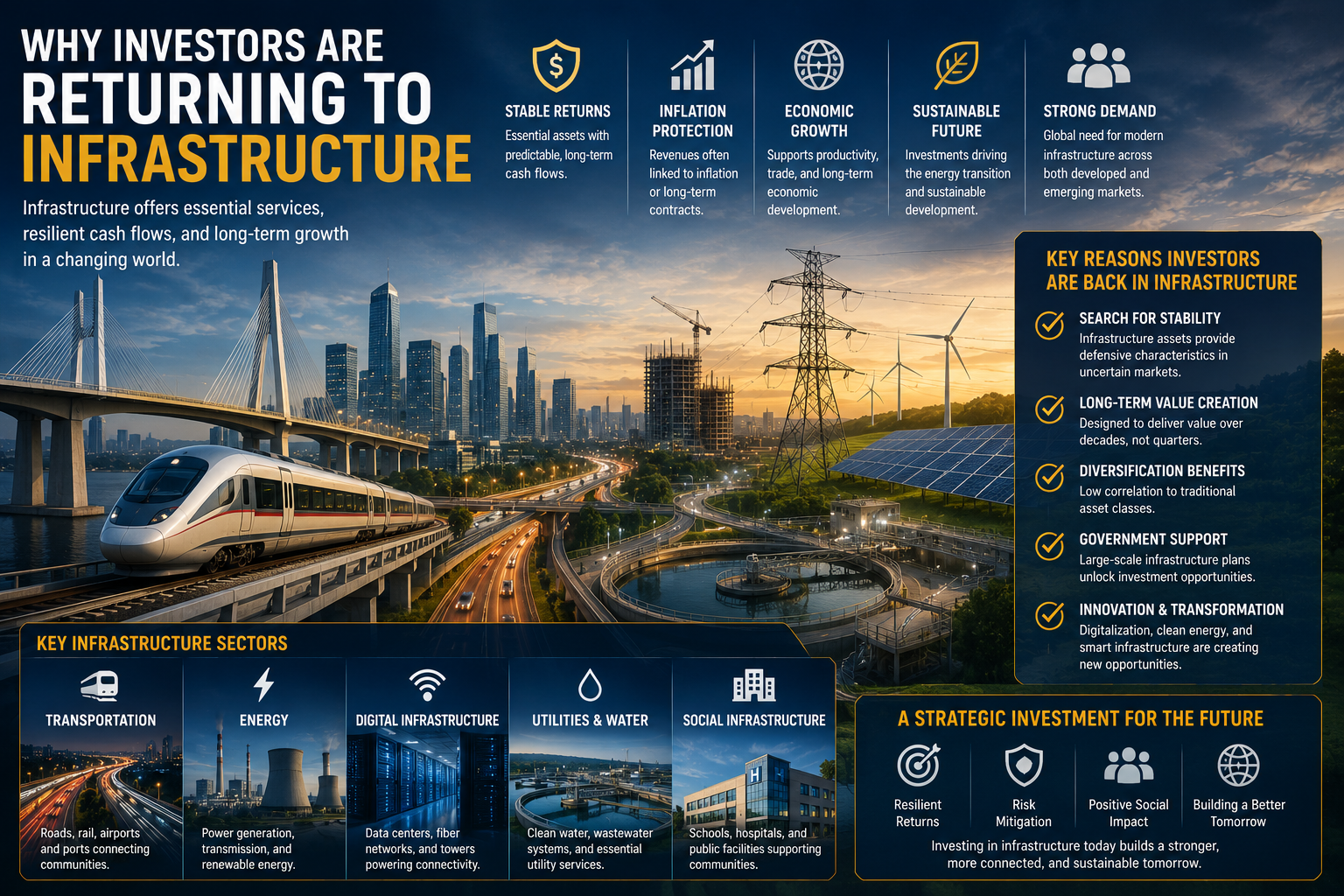
Investors are increasingly returning to infrastructure as they seek stable returns, inflation protection, and long-term growth opportunities. Explore the factors driving renewed interest in infrastructure assets and what it means for economies, businesses, and financial markets.

Migration flows and border security have become central policy challenges as governments balance economic needs, humanitarian obligations, and national security concerns
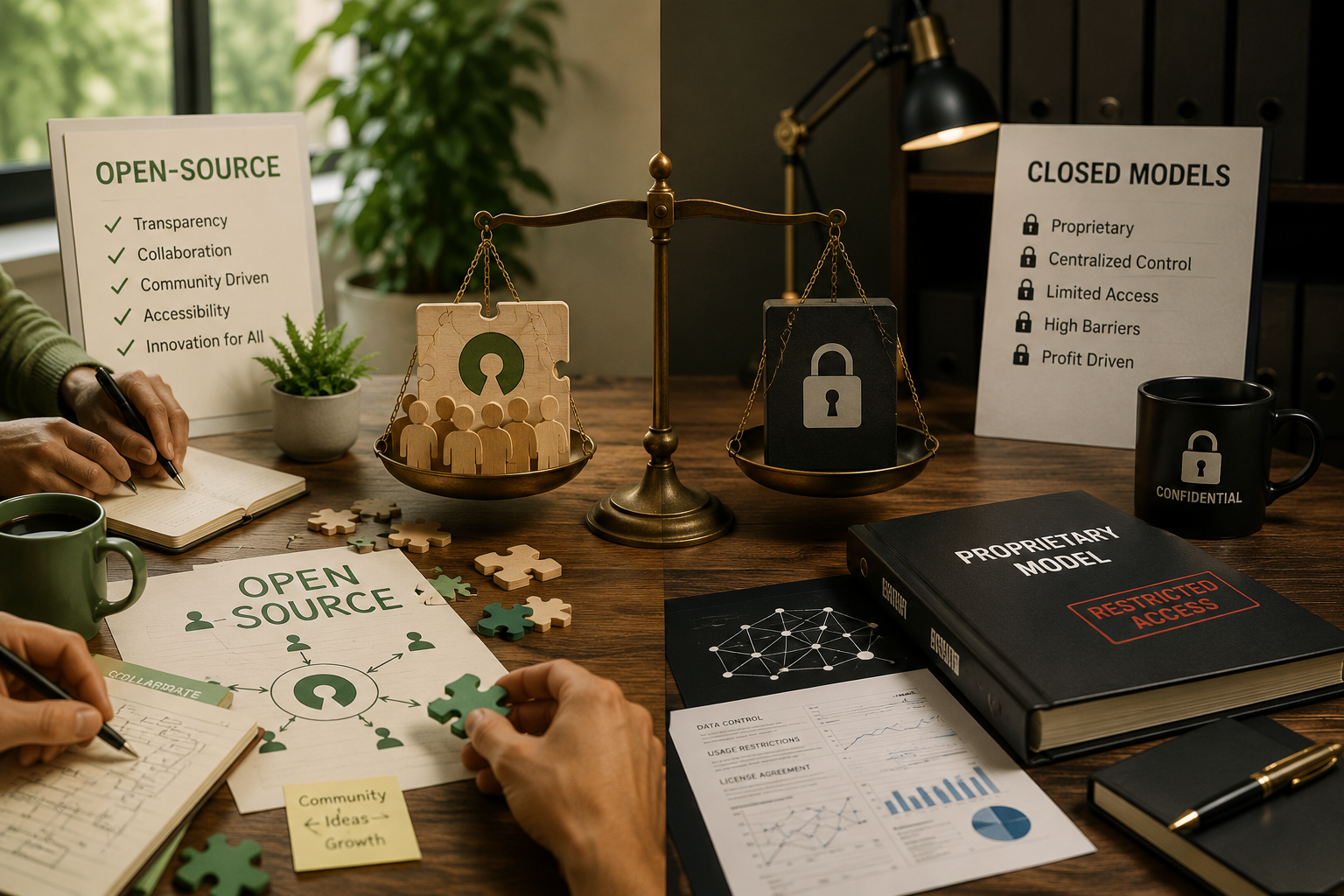
The competition between open-source and proprietary AI models is shaping the future of technology.
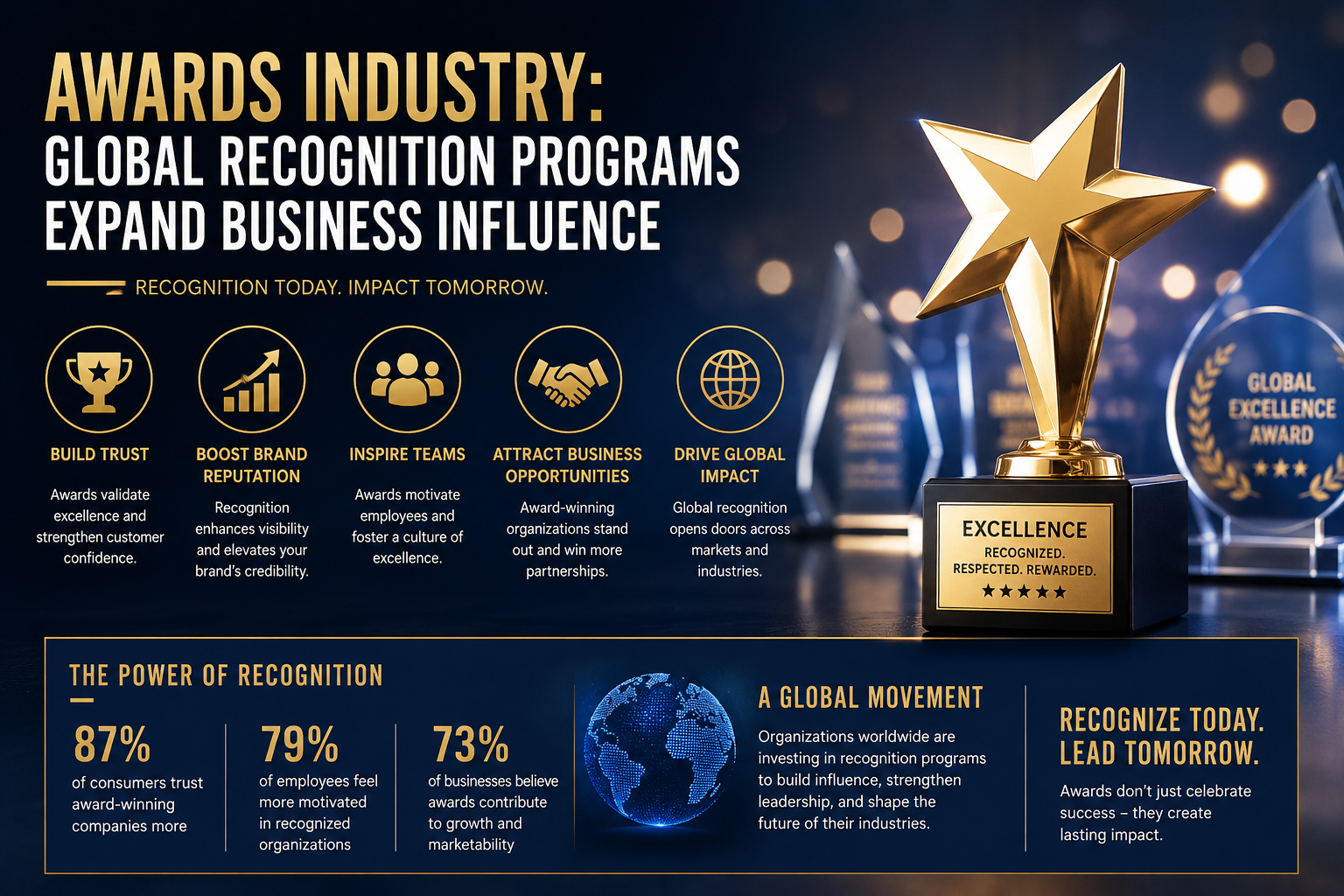
The awards and recognition industry continues to grow as organizations increasingly use awards to strengthen brand credibility, attract customers, and enhance employee engagement. Major industry awards across technology, gaming, automotive, and corporate leadership sectors have seen record participation levels in 2026. Recent events such as the 2026 Global Gaming Awards Asia-Pacific and National Business Motoring Awards have attracted significant attention from businesses seeking competitive differentiation. Winning prestigious awards is increasingly viewed as a strategic marketing asset rather than simply a ceremonial achievement. Companies are investing more heavily in award submissions, public relations campaigns, and brand positioning initiatives. Industry experts estimate that award-related marketing generates substantial returns through increased customer trust and media visibility. The growth of digital media has also transformed the awards landscape. Organizations can now leverage award recognition across social media, investor presentations, recruitment campaigns, and customer communications. This broader reach amplifies the commercial value of recognition programs. Businesses operating in highly competitive sectors are particularly focused on industry awards as a method of establishing authority and demonstrating innovation. Investors often view award-winning organizations as indicators of operational excellence and leadership strength. As competition intensifies across industries, award programs are expected to play an even greater role in shaping corporate reputation and influencing stakeholder perceptions worldwide.
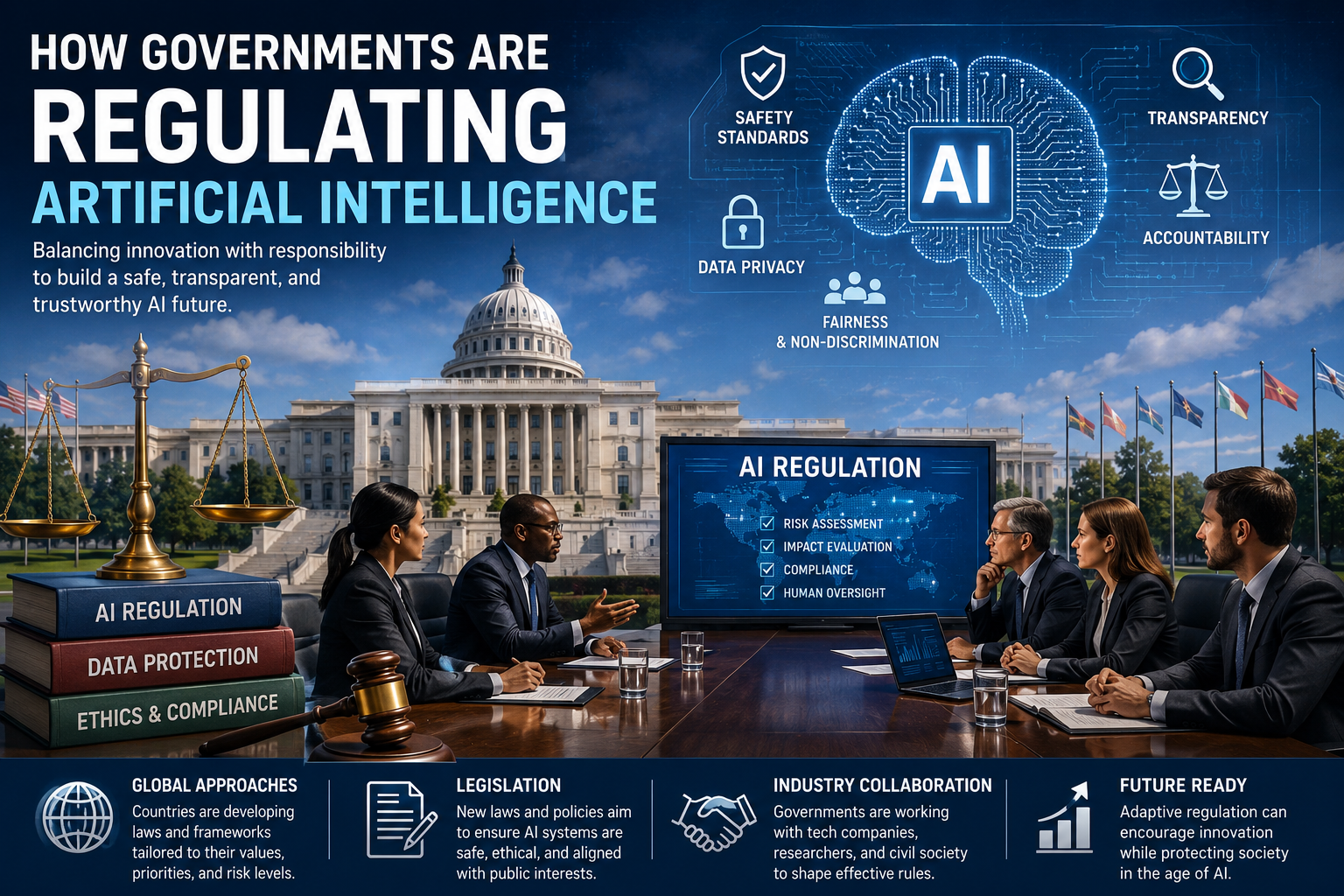
Governments worldwide are developing new regulations for artificial intelligence as the technology becomes more powerful and widespread. Explore the drivers behind AI regulation, its impact on businesses and society, and what the future of AI governance may look like.

This article explores how digital identity systems are reshaping legal verification, transforming how individuals prove who they are in courts, financial systems, and public services. It examines the technology, economic drivers, risks, and long-term implications for governments, businesses, and society.

The stock market plays a central role in modern economies by helping businesses raise capital, enabling wealth creation, and reflecting investor confidence. This article explores how stock markets work, what drives them, and why they matter to companies, governments, and everyday citizens.

Companies are increasingly building regional manufacturing networks to improve resilience, reduce risks, and adapt to a changing global economic environment.
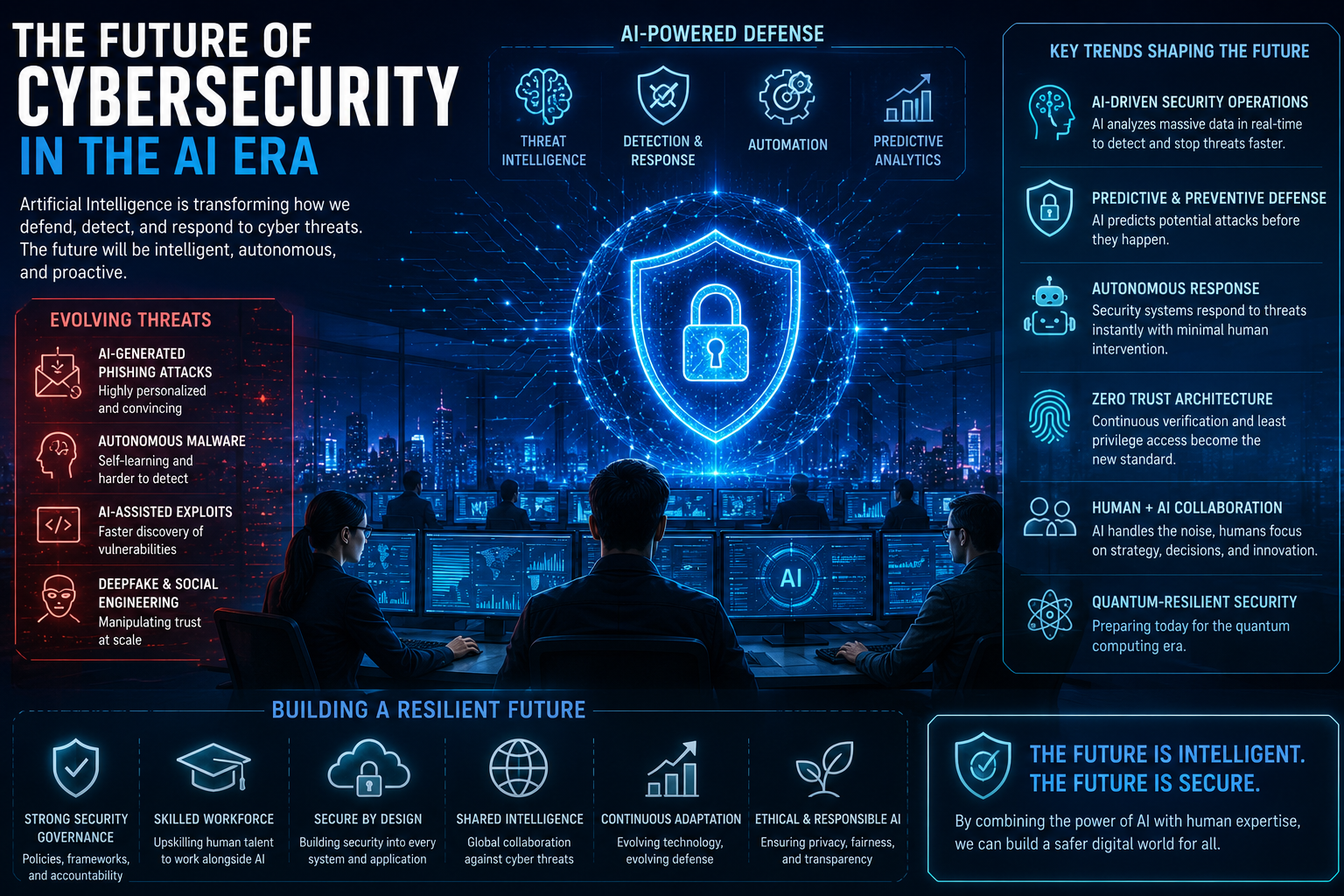
Artificial intelligence is reshaping the cybersecurity landscape, creating both powerful defensive tools and sophisticated new threats. Explore how businesses, governments, and individuals are adapting to the future of cybersecurity in the AI era.

The possibility of a SpaceX public listing continues to attract global attention. Beyond the company itself, the discussion highlights broader changes in how technology firms raise capital, remain private longer, and reshape the future of stock market listings.

Cyberattacks are becoming more frequent, sophisticated, and costly, yet many organizations remain unprepared. From critical infrastructure to financial systems, cybersecurity is emerging as one of the defining challenges of the digital age.

Description: A detailed analysis of the global effort to develop universal vaccines, exploring its scientific progress, economic importance, and long-term impact on healthcare systems, governments, and industries worldwide.

Absolute success is luck. Relative success is hard work." reflects a perspective on the factors that contribute to success, distinguishing between two types of success: absolute success and relative success.
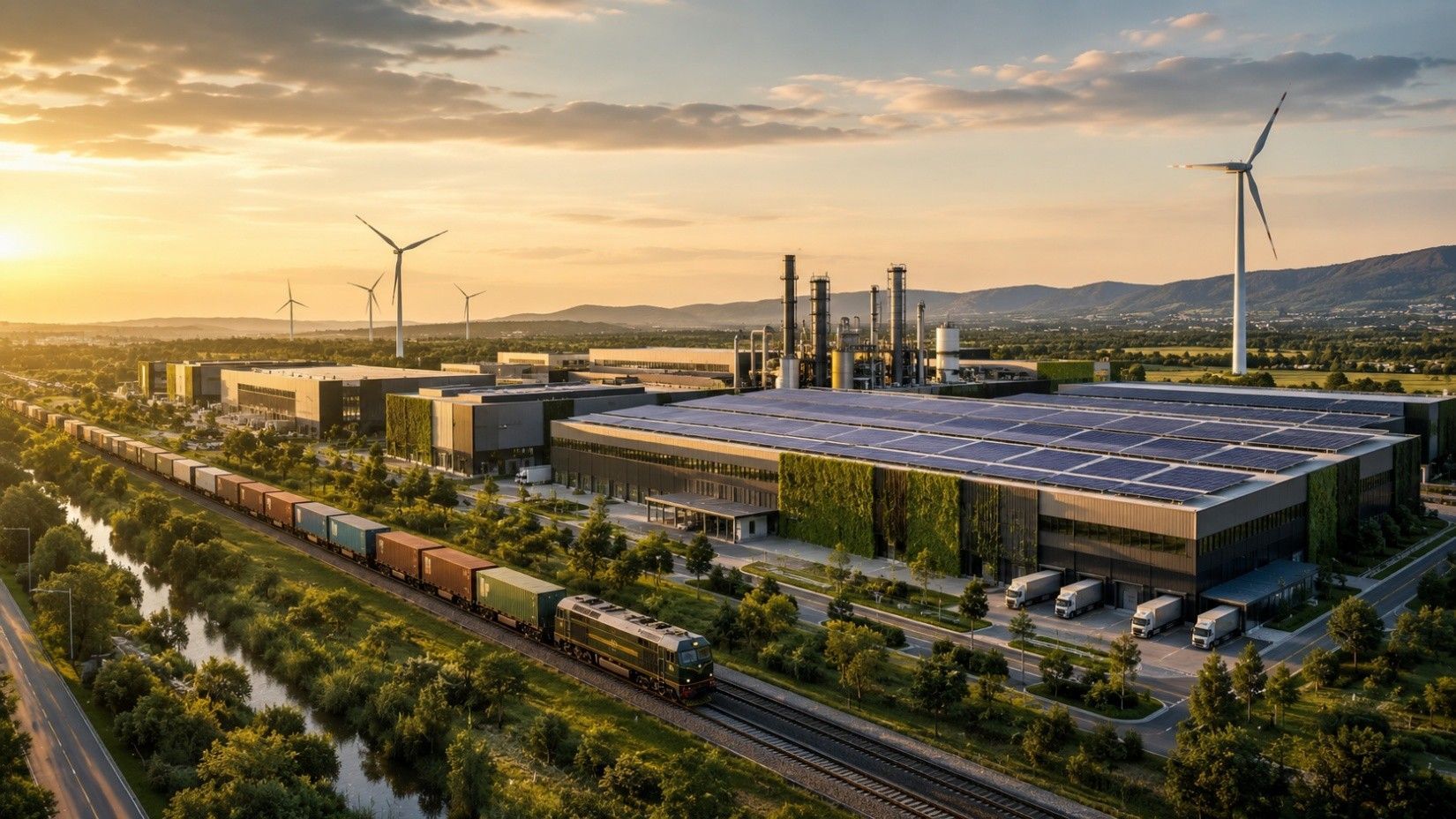
Sustainability is becoming a core business strategy for manufacturers as companies seek to improve efficiency, reduce costs, meet customer expectations, and remain competitive in a changing global economy.

Interest rates influence borrowing costs, investment decisions, inflation, and economic growth. This article explores how global interest rate cycles affect businesses, governments, financial markets, and households, and why understanding these cycles is essential for economic stability.

Growing strategic competition among major powers is reshaping global trade, technology, security, and investment. While today's environment differs significantly from the Cold War of the twentieth century, rising geopolitical tensions are creating a new era of rivalry with far-reaching consequences for governments, businesses, investors, and ordinary citizens.

The legal industry is undergoing significant change as technology, regulatory complexity, and evolving client expectations reshape the delivery of legal services. This article examines the forces driving transformation and their implications for businesses, governments, investors, and society.

Artificial intelligence is moving from a specialized technology to a core driver of economic activity. From business operations and investment decisions to public services and consumer experiences, AI is reshaping industries while creating new opportunities and challenges for organizations and societies worldwide.
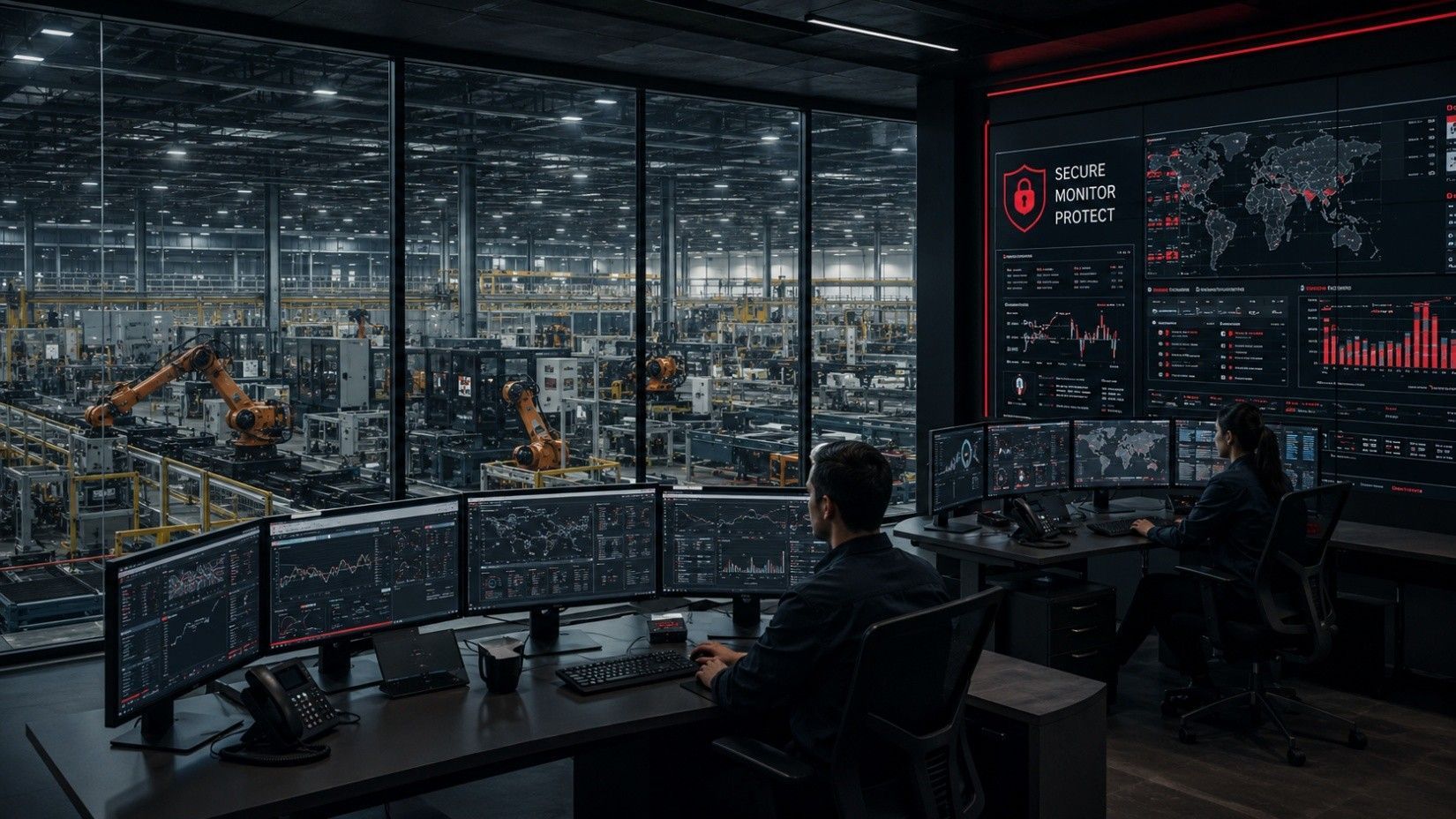
As factories become more connected and data-driven, cybersecurity is emerging as one of the most important challenges facing modern manufacturing organizations.

Quantum computing is moving closer to practical applications, with implications for cybersecurity, pharmaceuticals, logistics, and financial modeling, potentially reshaping global technological leadership.

The healthcare industry is undergoing significant transformation driven by technology, demographic shifts, workforce challenges, and rising demand for care. This article examines the forces shaping healthcare and what they mean for businesses, governments, investors, and society.

The creator economy has evolved from a niche digital trend into a global business powerhouse. Millions of content creators, influencers, educators, and industry experts are building sustainable businesses through social media, online courses, podcasts, newsletters, and digital products. Brands are increasingly allocating marketing budgets toward creator partnerships rather than traditional advertising channels. Consumers trust authentic recommendations from creators more than conventional advertisements, making influencer collaborations a key component of modern marketing strategies. Technology platforms continue introducing monetization tools that allow creators to generate revenue directly from their audiences. Subscription-based content, exclusive communities, and live-streaming commerce are becoming significant income sources. The creator economy is also creating new opportunities for agencies, software providers, and financial service companies that support digital entrepreneurs. Industry analysts predict the sector will continue expanding rapidly as businesses seek more personalized ways to engage consumers. As digital influence becomes a valuable business asset, the creator economy is redefining entrepreneurship for a new generation.
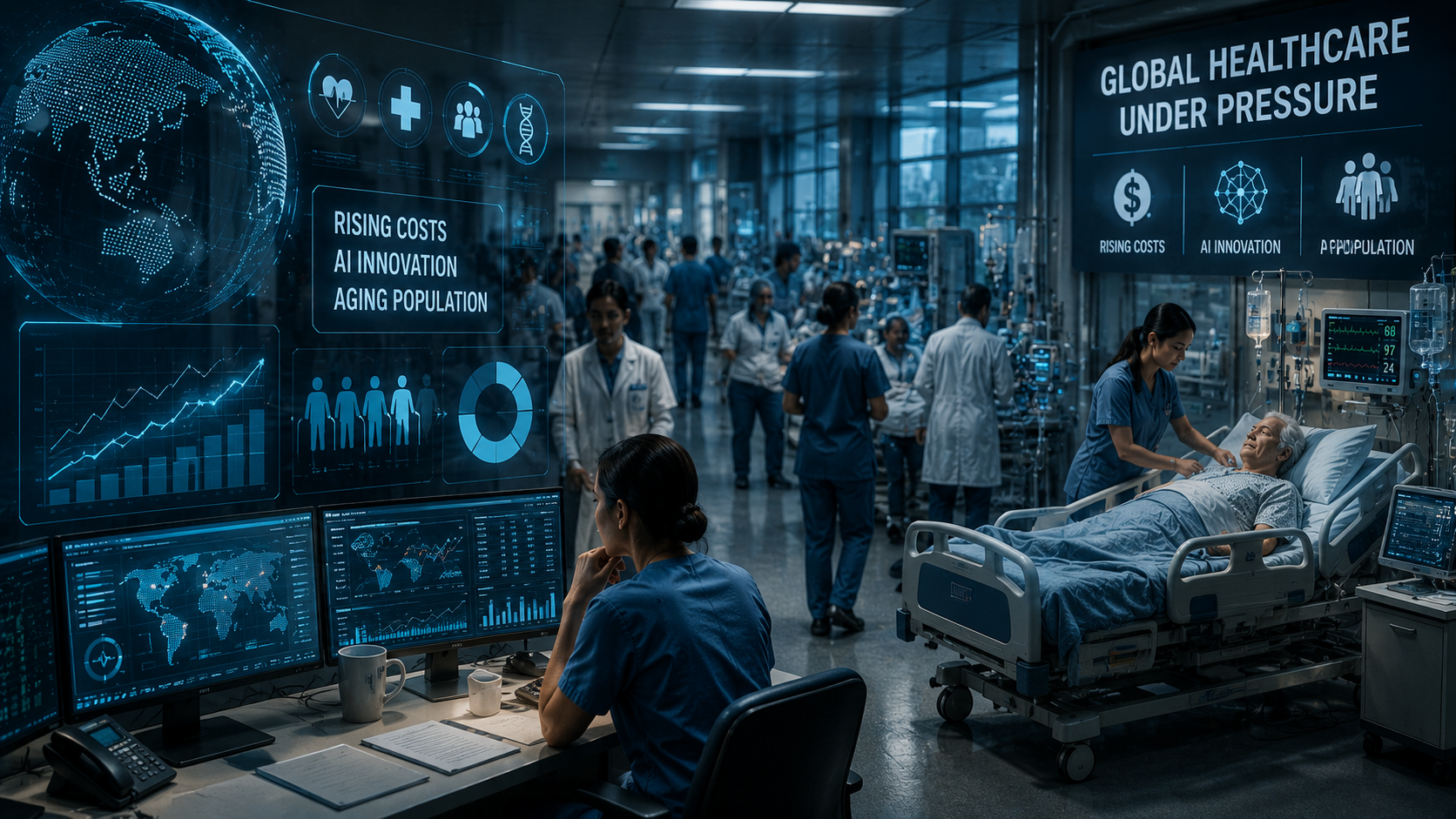
Global healthcare systems are under pressure from rising costs, aging populations, and rapid adoption of digital and AI-driven medical technologies, reshaping how governments, insurers, and patients interact with care delivery.

How artificial intelligence, cybersecurity, and digital infrastructure are transforming modern national security strategy.

Healthcare is becoming one of the most important pillars of economic resilience, business productivity, and social stability. This article explores the forces reshaping healthcare and why its future matters to governments, investors, businesses, and citizens alike.

As cyber threats evolve rapidly, governments worldwide face growing challenges in updating laws and regulations to protect businesses and citizens.

As geopolitical tensions, trade restrictions, and regional conflicts reshape global commerce, businesses are rethinking how they build resilient supply chains. The focus is shifting from maximum efficiency to greater flexibility, diversification, and long-term risk management.

Digital payments are transforming how money moves through economies. From mobile wallets and contactless transactions to real-time payment networks, the shift toward cashless economies is reshaping commerce, financial services, and everyday consumer behavior around the world.

The global fuel market remains one of the most closely watched sectors in 2026 as oil prices continue to react to supply disruptions and geopolitical uncertainty. Brent crude recently traded near the $90–95 per barrel range after experiencing significant volatility earlier this year. Market analysts point to concerns surrounding Middle Eastern shipping routes, fluctuating production levels from major oil-producing nations, and rising global energy demand. Several countries are also reporting higher domestic fuel prices. In the UAE, petrol prices surged to their highest level in nearly four years, reflecting broader global energy market pressures. Meanwhile, energy agencies predict that global oil inventories could remain under pressure during the coming months, supporting elevated crude prices. Investors are closely monitoring decisions by the oil-producing alliance led by OPEC, as production adjustments could significantly influence market balance. Higher fuel costs are impacting transportation, manufacturing, aviation, and consumer spending worldwide. Companies dependent on logistics are already revising cost forecasts for the second half of 2026. The energy sector remains attractive to investors seeking exposure to commodities, but volatility continues to present risks. Analysts believe oil prices will remain highly sensitive to geopolitical developments and supply disruptions throughout the year. Energy stocks, refinery operators, and oil service companies are expected to remain in focus as markets assess the future direction of global fuel demand and production.
The long-term outlook remains highly promising. Early developments in printed skin tissue, blood vessels, and cartilage structures suggest the technology is moving steadily toward broader medical use.

Telemedicine surged during the pandemic and rapidly became a mainstream healthcare service. As healthcare systems adapt to a post-pandemic environment, virtual care is entering a new phase focused on sustainability, accessibility, and integration into everyday medical practice.

Discover the most profitable business ideas to start in 2026, including AI, green energy, HealthTech, cybersecurity, digital marketing, and niche e-commerce.

After years of struggle, I finally quit smoking and discovered a new sense of freedom and vitality.

Economic uncertainty has become a defining feature of the modern financial landscape. As inflation, interest rates, market volatility, and geopolitical risks reshape investment decisions, wealth management is evolving from a focus on returns alone to a broader strategy centered on resilience, diversification, and long-term financial security.

Legal systems are the foundation of modern economies and societies. From enforcing contracts and protecting rights to regulating markets and resolving disputes, the law influences businesses, governments, investors, and individuals every day. This article explores why legal frameworks remain essential in an increasingly complex world.

Retail investors are playing a larger role in global financial markets as technology, accessibility, and financial awareness reshape investing.

In a world defined by rapid technological advances, economic uncertainty, and evolving workforce expectations, organizations must learn to adapt continuously. This article explores how businesses can build resilience, agility, and long-term success in an era of constant change.
Wearable devices are transforming preventive healthcare by enabling continuous health monitoring, early detection of health risks, and personalized wellness insights. Discover how this technology is reshaping healthcare systems, businesses, and individual health management.

Artificial intelligence has become a strategic priority for governments worldwide. Nations are investing billions in AI research, infrastructure, talent, and innovation as they compete for economic growth, technological leadership, and long-term competitiveness.

Slowing economic growth can have major political consequences, including rising public dissatisfaction, political polarization, reduced trust in government, and changing voter behavior. As economic challenges affect employment, income levels, and public services, governments face increasing pressure to deliver effective solutions while maintaining political stability and public confidence.

As economies become increasingly dependent on data, cloud computing, and artificial intelligence, governments are placing greater emphasis on digital sovereignty. The concept is reshaping technology policy, business strategy, cybersecurity planning, and the future architecture of the global digital economy.
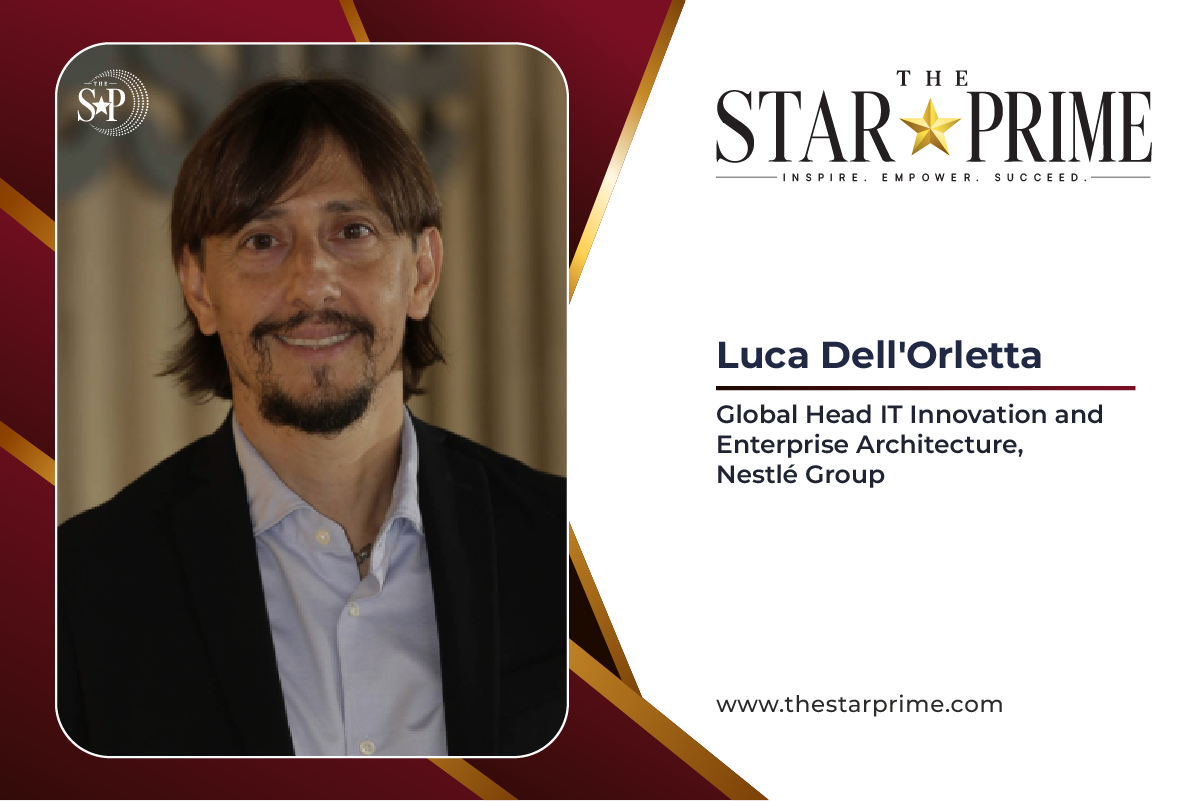
Transforming Enterprise Innovation Through Visionary Technology Leadership A Cover Story on Leadership, AI Innovation, and Enterprise Transformation In today’s rapidly evolving digital landscape, organizations are being challenged to rethink the way they innovate, operate, and deliver value. At the center of this transformation are technology leaders who combine strategic thinking with creativity, adaptability, and a people-first mindset. Among these influential leaders is Luca Dell’Orletta, a technology innovator and enterprise architect whose journey reflects the future of digital transformation and AI-powered leadership. With years of experience spanning software development, enterprise technology, product innovation, and business transformation, Luca has built a career around bridging the gap between business goals and technological advancement. His leadership journey demonstrates how innovation is not simply about adopting new tools, but about creating meaningful systems that improve organizations, empower teams, and shape the future of industries worldwide. Luca’s professional path began in engineering, where he developed a strong technical foundation while working closely with software systems and development teams. However, his ambitions extended beyond coding and implementation. Early in his career, he recognized the importance of understanding how technology could directly support business growth, operational efficiency, and customer engagement. This realization motivated him to move into leadership roles that combined strategic thinking with digital execution. Over the years, he expanded his expertise across multiple disciplines, including business analysis, project management, digital platforms, customer engagement solutions, and enterprise-wide transformation programs. Each experience added a new layer to his understanding of how organizations operate at scale and how technology can become a driving force behind innovation. As the global digital economy accelerated, Luca embraced opportunities within the growing technology and startup ecosystem. He became deeply involved in digital product management and innovation-driven initiatives, contributing to projects that focused on building future-ready digital experiences. These experiences allowed him to develop a product-focused mindset that emphasized user needs, business value, and scalable innovation. His transition into leadership within large global organizations marked another important milestone in his career. Working within one of the world’s most recognized food and beverage enterprises, Luca took on responsibilities that involved shaping enterprise architecture, driving digital transformation strategies, and exploring emerging technologies capable of influencing the future of business operations worldwide. What sets Luca apart as a leader is his ability to combine technical expertise with strategic vision. He understands that innovation is most successful when technology is aligned with human needs, operational goals, and long-term business objectives. Rather than focusing solely on trends, he approaches innovation through practical implementation and measurable impact. One of the most significant aspects of his work has been the exploration and adoption of emerging technologies such as Artificial Intelligence, Generative AI, Spatial Computing, Quantum Computing, and advanced digital platforms. While many organizations view these technologies as futuristic concepts, Luca believes their real value lies in solving real-world problems and enabling organizations to become more adaptive and resilient. Artificial Intelligence, in particular, has become a central focus of modern enterprise transformation. Luca sees AI not simply as a tool for automation, but as a catalyst for reimagining the way businesses operate. According to his perspective, organizations that design their systems and customer experiences with an AI-first mindset will gain a significant competitive advantage in the years ahead. He also believes that the future of enterprise technology will depend on creating intelligent, connected ecosystems where data, services, operations, and customer experiences work seamlessly together. This requires organizations to move beyond fragmented systems and instead focus on integrated digital infrastructures capable of supporting innovation at scale. Another area that continues to inspire Luca is the rise of Quantum Computing. Although still developing, he sees quantum technologies as a transformative advancement that could eventually solve problems considered impossible for traditional computing systems. For leaders focused on long-term innovation, staying informed about such emerging technologies is essential for future readiness. Throughout his career, Luca has contributed to several impactful projects and large-scale initiatives that shaped his professional growth. From leading digital platform development for globally recognized events to supporting enterprise-level innovation strategies, his work reflects a commitment to continuous improvement and meaningful transformation. One particularly defining chapter in his leadership journey involved enabling AI-driven solutions and conversational technologies within a global organization. The rapid evolution of Generative AI created new opportunities to improve collaboration, productivity, and decision-making across teams. By helping drive AI enablement initiatives, Luca played a role in supporting employees and organizations as they adapted to new digital capabilities. Beyond technology itself, Luca strongly believes that successful innovation depends on people. Leadership, in his view, is about empowering individuals, building trust, and creating environments where teams can perform at their highest potential. He values curiosity, collaboration, accountability, and adaptability as key qualities for high-performing organizations. His approach to team building centers on identifying individuals with strong potential, positive attitudes, and a willingness to take ownership of their work. Rather than focusing solely on technical skills, he prioritizes mindset, learning agility, and the ability to adapt within rapidly changing environments. At the same time, Luca recognizes the importance of maintaining balance and resilience in leadership. In industries driven by constant innovation and high expectations, burnout and mental fatigue can easily affect performance and creativity. To maintain focus and clarity, he emphasizes the importance of disconnecting from work when necessary, spending time with family, staying physically active, and creating moments for reflection. He also encourages leaders to better understand what motivates individuals at different stages of their careers. Some employees may be inspired by opportunities for advancement, while others may value flexibility, recognition, learning experiences, or personal growth. By understanding these differences, leaders can create healthier and more supportive workplace cultures. Luca’s leadership philosophy is deeply connected to continuous learning and self-improvement. He believes that curiosity is one of the most valuable qualities professionals can develop in today’s business environment. Technology continues to evolve at an unprecedented pace, and those who remain open to learning will be best positioned to navigate change successfully. Another defining characteristic of Luca’s journey is his entrepreneurial mindset. Even while operating within large global organizations, he continues to think like a builder and innovator. He values experimentation, creativity, and the willingness to challenge outdated systems or traditional ways of thinking. This mindset has allowed him to stay adaptable while helping organizations embrace transformation more effectively. Recognition from industry platforms and leadership communities has further highlighted Luca’s contributions to innovation and digital transformation. However, he views these achievements not as personal milestones alone, but as reflections of the collective effort, expertise, and dedication of the teams and partners he works alongside. For Luca, the future of enterprise leadership will depend on the ability to connect business strategy, human-centered design, and advanced technology into a unified vision. Organizations that succeed will be those capable of moving quickly, learning continuously, and building digital ecosystems that remain flexible and future-ready. Looking ahead, he sees himself continuing to operate at the intersection of business, technology, and innovation. Whether through enterprise transformation, AI enablement, digital products, or future technologies, his mission remains centered on creating impact through meaningful innovation and strategic leadership. His advice to aspiring professionals entering the technology industry is both practical and inspiring. He encourages individuals to remain curious, embrace change, and avoid limiting themselves to predefined career paths. According to Luca, success is rarely linear, and growth often comes from taking risks, exploring new opportunities, and remaining open to unexpected experiences. He also emphasizes the importance of resilience and self-belief. In competitive industries, setbacks and uncertainty are inevitable, but maintaining confidence and continuing to learn can create new opportunities for growth and achievement. Most importantly, he encourages professionals to pursue careers and projects that genuinely inspire them, because passion and purpose often lead to the most meaningful results. Luca Dell’Orletta’s journey represents the modern evolution of leadership in the digital age. His ability to combine innovation, enterprise strategy, emerging technology, and human-centered leadership reflects the qualities required to shape the future of global business. As industries continue to transform through AI, digital ecosystems, and intelligent technologies, leaders like Luca will play an important role in guiding organizations toward a more connected, adaptive, and innovation-driven future.

Cyber warfare is becoming an increasingly important issue in international relations. Governments, infrastructure systems, banks, defense organizations, and communication networks now depend heavily on digital platforms, making cybersecurity a matter of national security. Unlike traditional military conflict, cyberattacks often occur without geographic boundaries or direct physical confrontation. This creates legal uncertainty around attribution, retaliation, and state responsibility under international law. Governments worldwide are strengthening cyber defense strategies as ransomware attacks, digital espionage, and infrastructure breaches continue to rise. International organizations are also discussing legal frameworks to establish acceptable norms for state behavior in cyberspace. Businesses face growing pressure to improve cyber resilience because attacks on supply chains, energy systems, cloud infrastructure, and financial services can create large-scale economic disruption. Legal experts argue that existing treaties may no longer fully address the realities of modern digital conflict. Future international agreements may require clearer standards on cyber deterrence, digital sovereignty, and cross-border cooperation

Artificial intelligence is moving from experimental technology to a core business capability. Its influence is expanding across industries, affecting productivity, investment decisions, government policy, and everyday life. Understanding its opportunities and challenges is becoming essential for organizations and individuals alike.

Discover the fascinating history of Halloween from ancient Celtic rituals and All Hallows’ Eve to modern costumes, jack-o’-lanterns, and trick-or-treating.

Economic growth forecasts have become increasingly cautious as governments, businesses, and investors navigate inflation, debt pressures, demographic shifts, and geopolitical uncertainty. Understanding these trends is essential for long-term planning and investment decisions.

Semiconductors have become one of the world's most strategic technologies. As demand for artificial intelligence, cloud computing, consumer electronics, and advanced manufacturing grows, governments and businesses are investing heavily to secure access to the chips that power the modern economy.
Healthcare is more than a public service. It is a critical pillar of economic growth, workforce productivity, business stability, and social well-being. This article examines the forces shaping healthcare systems and why the sector remains central to the future of societies and economies worldwide.

Political uncertainty is increasingly influencing investment decisions, as markets respond more sharply to elections, policy shifts, trade tensions, and geopolitical developments.

Artificial intelligence offers powerful tools for addressing climate challenges, but technology alone is unlikely to provide a complete solution.

An in-depth analysis of how smart cities are evolving, the forces driving urban digital transformation, and what it means for businesses, governments, and citizens in the coming decades.

AI-powered video generation is rapidly changing how content is created, distributed, and consumed. From marketing and entertainment to education and journalism, the technology is reshaping media production while raising new questions about creativity, economics, and trust.

This article explains why data centers have become essential strategic assets in the global economy, shaping competition among businesses, governments, and technology firms. It explores the economic, technological, and geopolitical forces driving their importance.
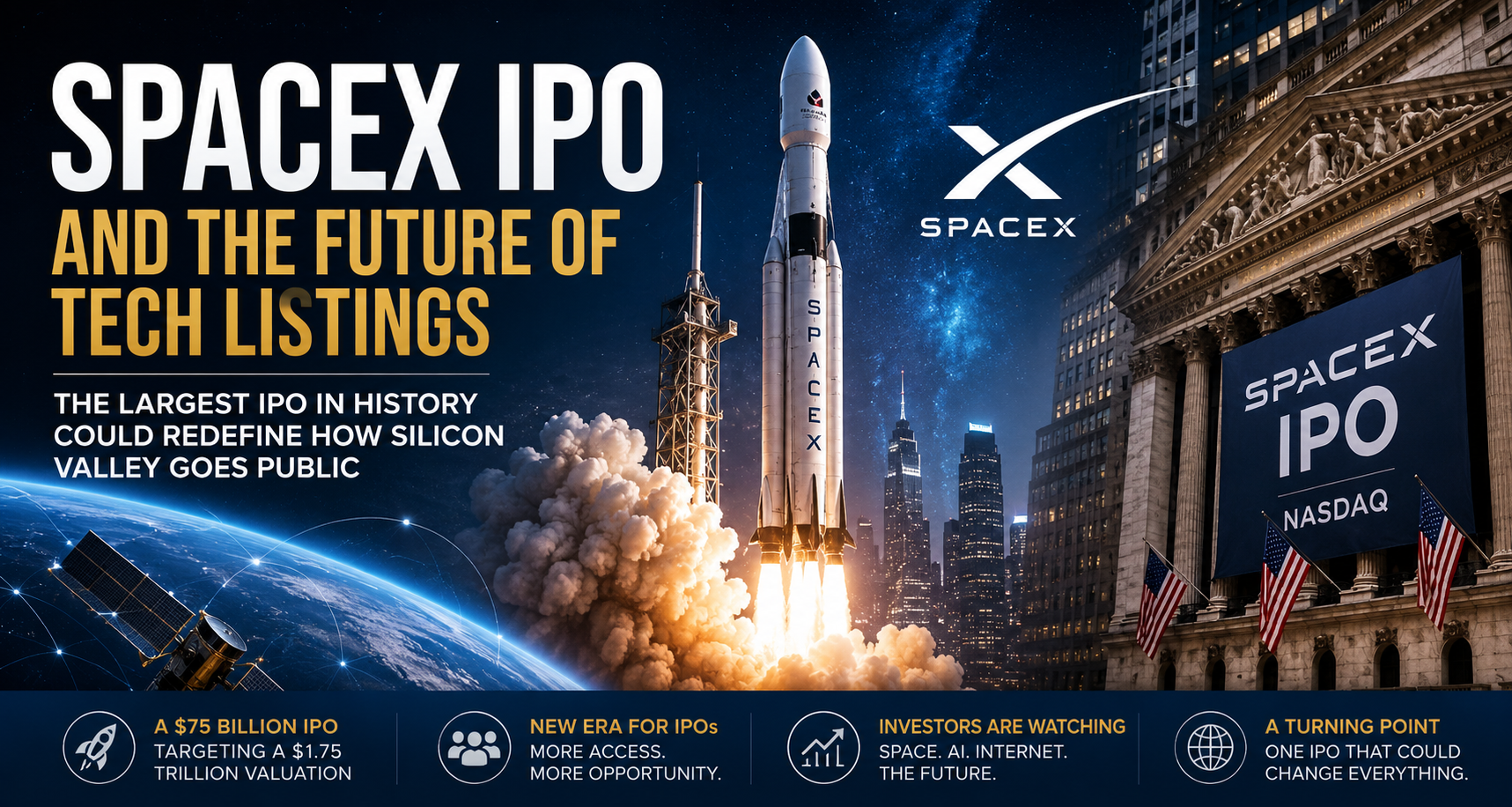
SpaceX's anticipated $75 billion IPO could become the largest stock market debut in history. Explore how it may reshape technology listings, AI investments, and the future of public markets.

As the global shift toward a low-carbon economy accelerates, businesses across industries are investing in renewable energy, electrification, and sustainability initiatives. This article explores the forces driving the energy transition and how companies are adapting to remain competitive in a changing economic landscape.
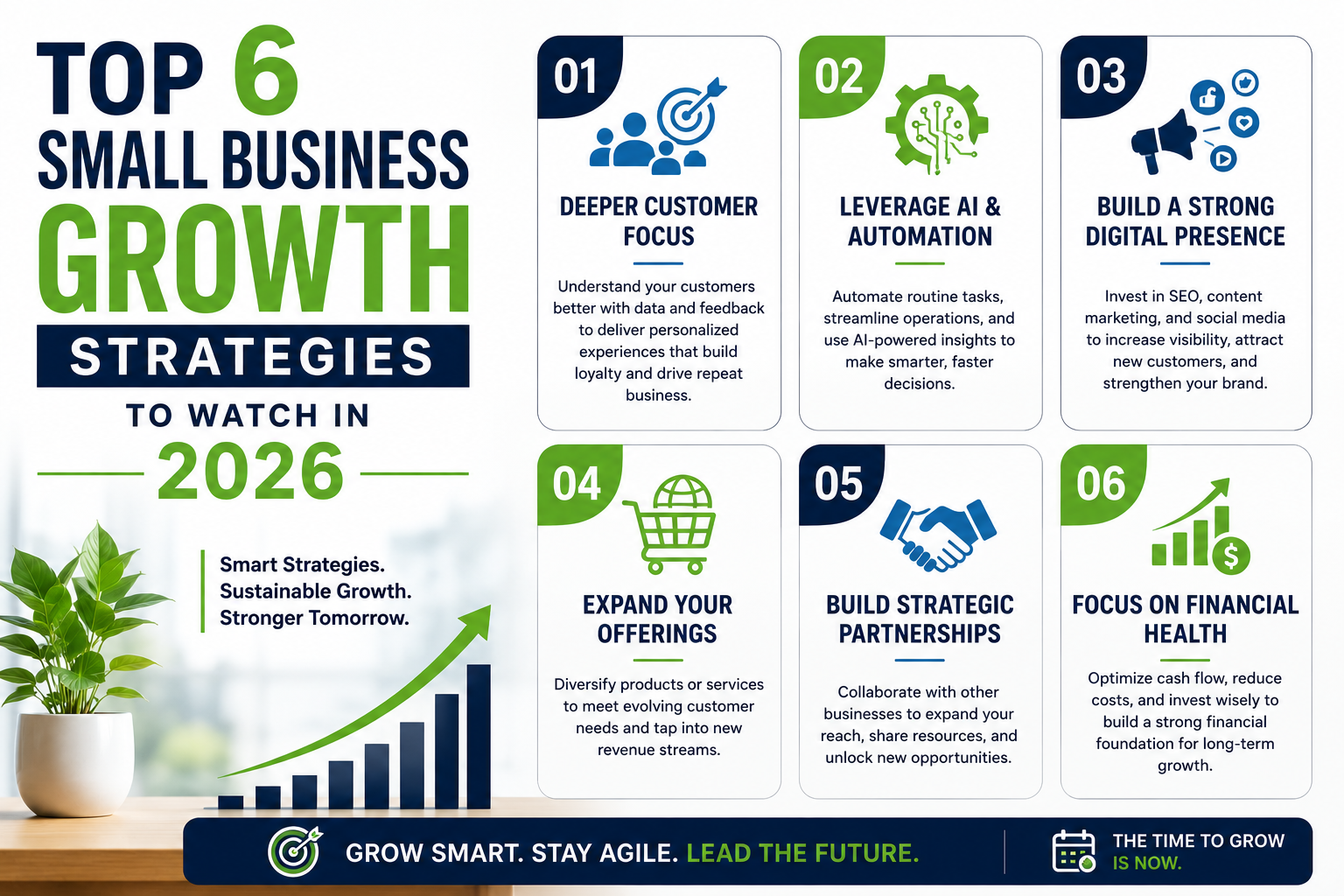
Discover top Small Business Growth strategies for 2026, including automation, AI analytics, partnerships, and sales systems to scale smarter.
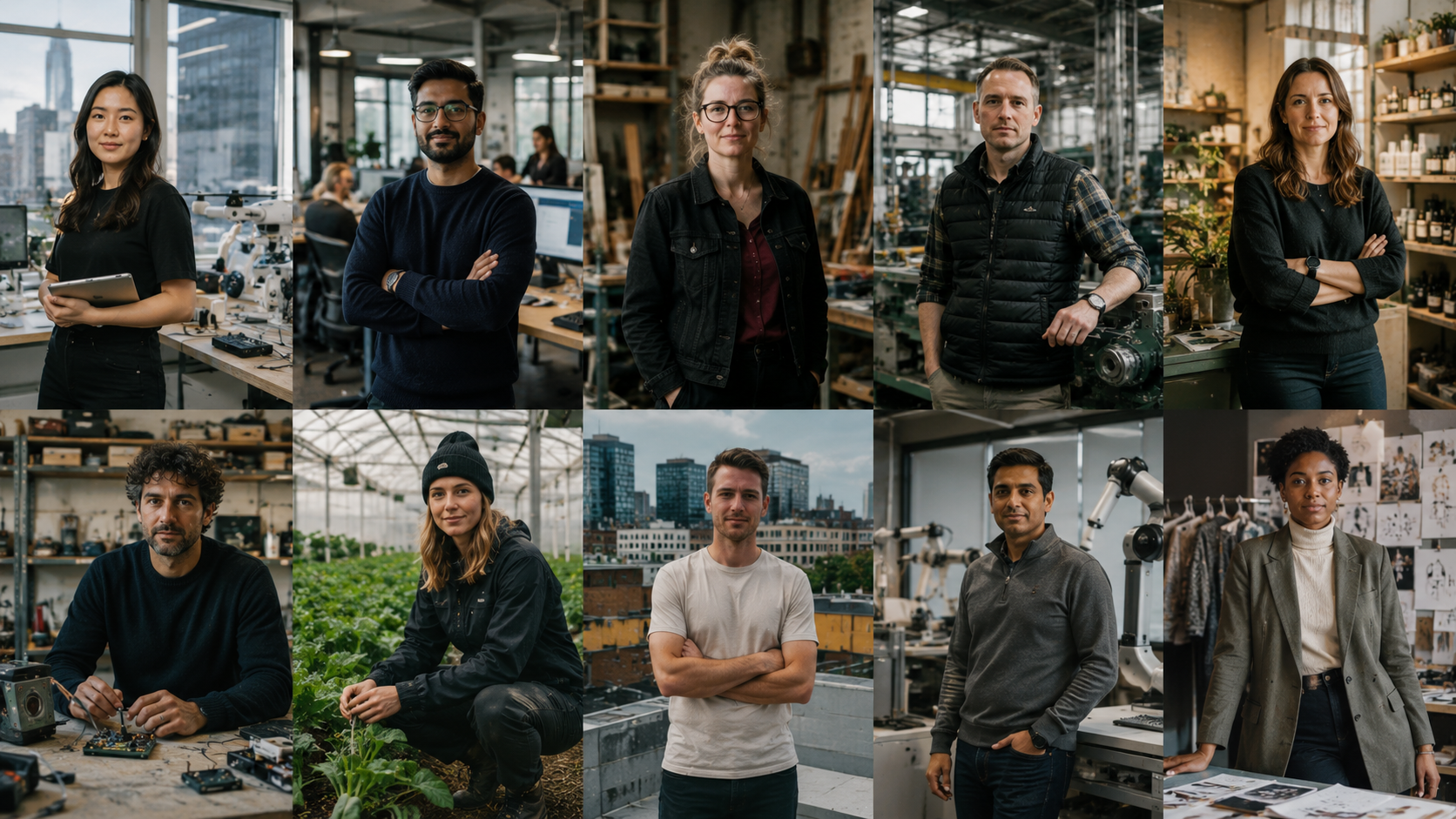
10 famous Canadian entrepreneurs who are making a significant impact in various industries. Jim Pattison, Tobi Lütke, Galen Weston, Michael Litt, Chip Wilson, Manjit Minhas, Joanna Griffiths, Arlene Dickinson, Michele Romanow, Kelsey Ramsden
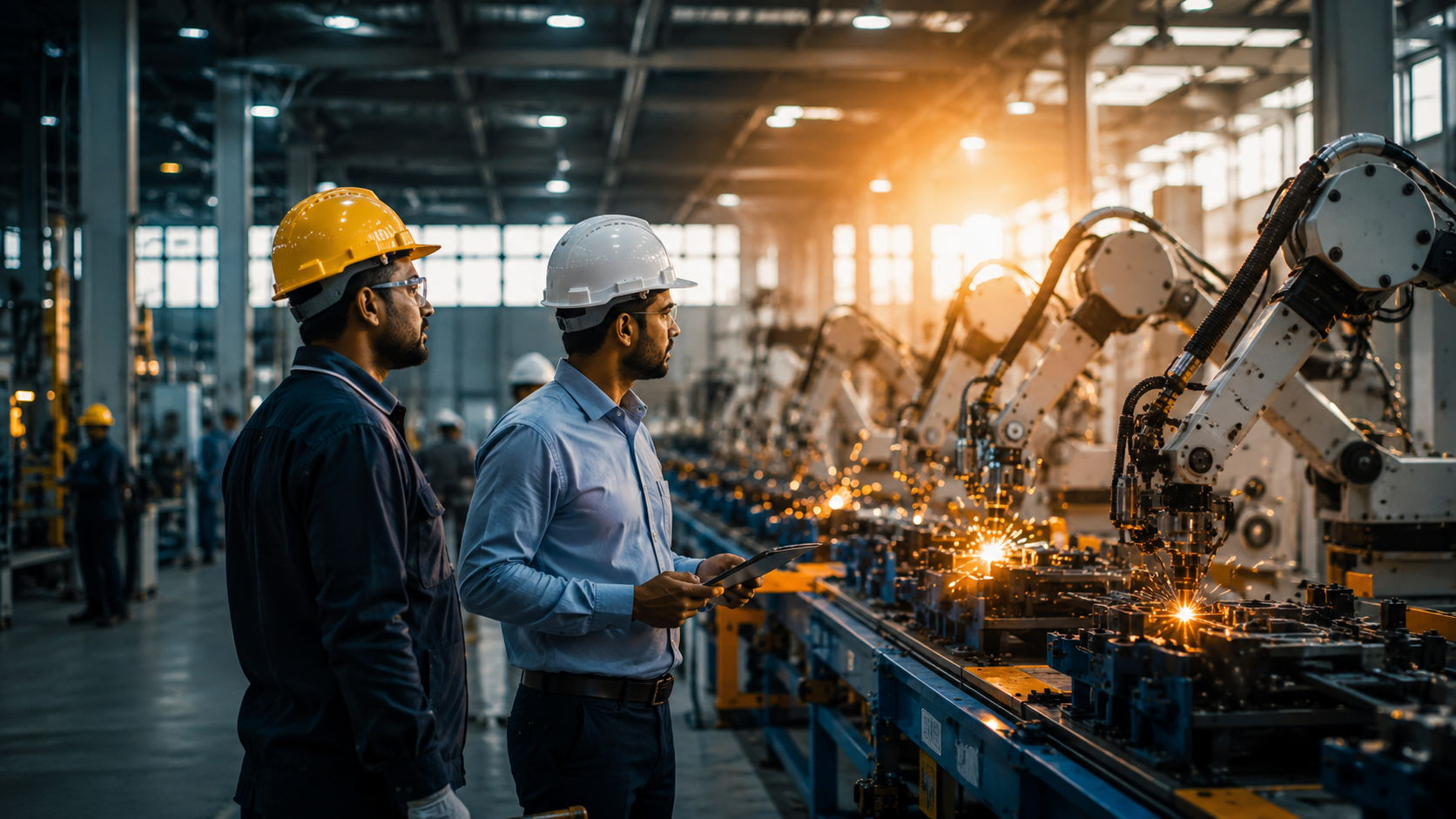
As artificial intelligence moves beyond consumer applications into factories, logistics networks, and industrial operations, India has a unique opportunity to become a global leader in Industrial AI. Success will depend on its ability to combine technology, talent, manufacturing growth, and digital infrastructure.

The global hardware market is experiencing a major transformation driven by demand for AI-capable computing systems. Semiconductor manufacturers, server providers, and cloud infrastructure companies are investing heavily in next-generation hardware designed specifically for artificial intelligence workloads. Demand for advanced processors, graphics processing units (GPUs), high-bandwidth memory systems, and specialized AI accelerators continues to exceed expectations. Technology firms are expanding manufacturing capacity to meet growing enterprise and consumer requirements. AI adoption is creating new opportunities for hardware vendors across multiple segments. Data center operators are purchasing increasingly powerful computing systems, while consumer electronics manufacturers are integrating AI capabilities directly into devices. The competitive landscape has intensified as companies race to develop faster and more energy-efficient chips. Hardware innovation is becoming a critical differentiator in the broader AI ecosystem. Supply chain resilience remains a priority as manufacturers seek to reduce dependence on concentrated production regions. Governments worldwide are supporting semiconductor investment initiatives aimed at strengthening domestic technology capabilities. Analysts predict that AI-related hardware spending will remain one of the fastest-growing segments within the technology industry, creating significant opportunities for companies involved in semiconductor design, manufacturing, and infrastructure deployment.
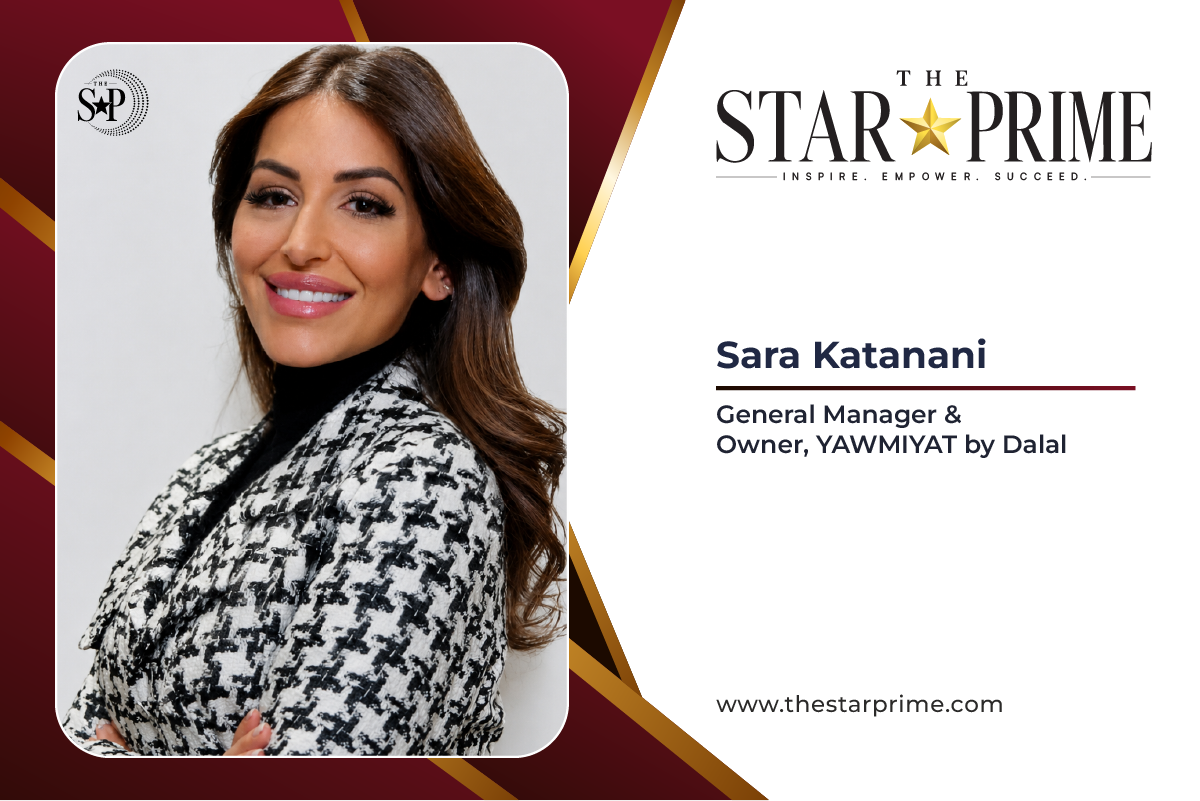
Sara Katanani: Preserving Heritage Through Purpose-Driven Hospitality A Cover Story on Leadership, Culinary Legacy, and Meaningful Innovation In an era where the hospitality and food industry is constantly evolving, customers are no longer searching only for exceptional cuisine. They seek experiences that feel authentic, emotional, and deeply connected to culture and memory. Restaurants and culinary brands across the world are redefining their identities by focusing on storytelling, heritage, and personalized hospitality. Within this changing landscape, leaders who can balance operational excellence with emotional connection are creating brands that stand out not only for their food but for the meaningful experiences they deliver. Among these visionary leaders is Sara Katanani, General Manager and Owner at Yawmiyat by Dalal. Through her dedication to preserving cultural heritage and celebrating family traditions, Sara has built a hospitality experience that goes beyond dining. Her approach reflects a genuine passion for creating comfort, warmth, and familiarity through food. By transforming treasured family recipes into unforgettable customer experiences, she has successfully positioned Yawmiyat as a destination where tradition and modern hospitality meet with sincerity and purpose. Sara’s journey into the hospitality industry was not a conventional one. Before entering the culinary world, she spent years building a successful career in banking and finance. However, her desire to support her family business and contribute to something deeply personal led her to make a life-changing decision. Returning to Saudi Arabia during her mid-thirties, she stepped into an entirely new industry with determination and curiosity. Rather than relying solely on management experience, Sara chose to immerse herself completely in every aspect of the business. She worked across operational departments, learned customer service firsthand, and understood the intricate dynamics that shape the hospitality sector. This willingness to start from the ground up became one of her greatest strengths. It allowed her to develop a strong understanding of both customer expectations and internal operations. Her background in communication, public relations, and client engagement also brought a fresh perspective to the business. Through strategic brand positioning and authentic storytelling, Sara helped strengthen Yawmiyat’s identity and elevate its visibility within the competitive hospitality market. Her transition from finance to food and beverage demonstrates courage, adaptability, and the willingness to pursue purpose over comfort. At the heart of Sara Katanani’s leadership philosophy lies authenticity. She believes that hospitality is not simply about serving meals—it is about creating moments that remind people of home, family, and belonging. This philosophy shapes every aspect of Yawmiyat’s culture and operations. From the quality of ingredients to the warmth of customer interactions, the brand is built around sincerity and emotional connection. Sara places tremendous importance on building a work environment that feels like an extended family. She carefully selects team members who share the same values of kindness, respect, and dedication. Many employees have remained part of the journey for years, contributing to a culture of trust and consistency. Under her leadership, the team approaches customers with genuine care rather than transactional service. This human-centered culture has become one of the defining characteristics of the brand and plays a significant role in maintaining customer loyalty. Her mother, Dalal, has also been a major influence on the company’s identity and values. Through years of experience, Dalal passed on the importance of heartfelt hospitality, generosity, and attention to detail. Sara continues to preserve this legacy while introducing new ideas that align with modern customer expectations. Together, their shared vision has shaped Yawmiyat into more than a restaurant or catering venture—it has become a reflection of family heritage and cultural storytelling. Running a hospitality business requires constant adaptability, discipline, and resilience. Sara’s daily responsibilities involve overseeing operations, ensuring quality control, managing financial performance, and maintaining customer satisfaction. She begins each day by reviewing operational priorities and supporting her team in resolving challenges before they escalate. Her hands-on approach ensures consistency and accountability across every department. Financial management also remains a key focus of her leadership. Sara closely monitors expenses, vendor relationships, invoices, and budgeting processes to maintain operational stability. She understands the fast-paced nature of the food industry and recognizes that attention to detail is essential for long-term sustainability. Her structured approach allows the business to maintain both quality and profitability while continuing to grow in a competitive environment. At the same time, Sara dedicates significant energy toward customer engagement and brand experience. She believes that every guest interaction contributes to the overall identity of the business. Whether through thoughtful service, personalized communication, or carefully curated dining experiences, she ensures that customers feel valued and emotionally connected to the brand. This balance between operational precision and emotional intelligence has become a defining strength of her leadership style. One of the most meaningful challenges Sara has faced involves preserving authenticity while adapting to changing industry trends. Modern consumers often seek innovation and contemporary presentation, yet Yawmiyat’s foundation is rooted in nostalgia and tradition. Balancing these two elements requires careful decision-making and creative sensitivity. Sara believes that innovation should never compromise the emotional essence of a dish or experience. Many of the recipes served at Yawmiyat carry deep personal significance, inspired by family traditions and childhood memories. Preserving these flavors while introducing thoughtful updates for today’s audience requires a delicate approach. Sara continuously works to maintain the integrity of traditional cuisine while ensuring it remains relevant and appealing to new generations. This ability to evolve without losing authenticity reflects her commitment to honoring heritage while embracing progress. Beyond business success, Sara also prioritizes personal balance and sustainable leadership. The hospitality industry often demands long hours, particularly during weekends and holidays. To maintain mental clarity and avoid burnout, she values intentional rest and relies on a strong leadership structure within the company. The trust shared between herself, her mother, and Chef George Chartouni creates a collaborative environment where responsibilities can be managed seamlessly. This teamwork allows the business to maintain excellence while supporting personal well-being and long-term stability. Looking toward the future, Sara Katanani envisions expanding Yawmiyat through meaningful innovation while remaining deeply connected to its original identity. She plans to introduce carefully developed concepts that continue to celebrate culture, authenticity, and emotional storytelling. Rather than following trends for the sake of popularity, her focus remains on creating experiences that resonate with people on a personal level. Her vision is rooted in preserving the spirit of hospitality that inspired the brand from the beginning. Sara believes that true success comes from consistency, honesty, and the ability to create lasting emotional connections with customers. She hopes future generations will continue to experience the warmth and comfort that define Yawmiyat’s journey. For aspiring entrepreneurs and emerging leaders, Sara’s story offers valuable lessons in courage, adaptability, and purpose-driven leadership. She emphasizes the importance of remaining actively involved in the business, understanding every detail, and staying connected to one’s values. According to Sara, leadership is not defined by titles alone but by commitment, presence, and the ability to inspire trust within both teams and communities. Through her dedication to preserving heritage, nurturing authentic hospitality, and leading with compassion, Sara Katanani continues to shape a meaningful legacy within the hospitality industry. Her journey reflects how passion, resilience, and cultural pride can transform a family vision into a powerful and enduring brand.
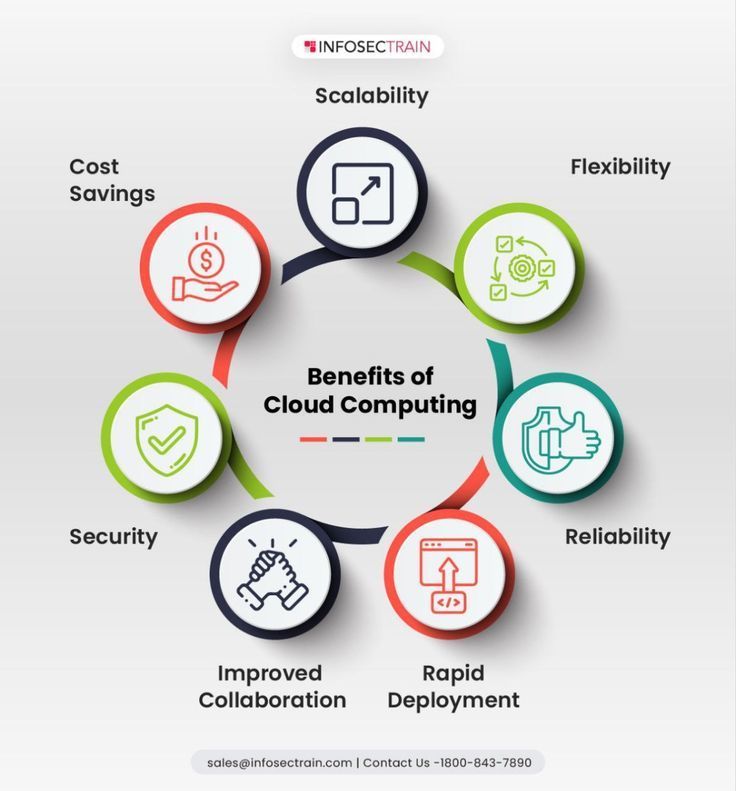
A growing number of cloud and software companies are redirecting investment budgets toward artificial intelligence initiatives. Several firms have slowed traditional spending programs in order to prioritize AI development, infrastructure expansion, and talent acquisition. Executives argue that AI represents the most significant technological opportunity in decades. As a result, businesses are reallocating resources toward projects expected to generate future competitive advantages. Cloud providers are experiencing strong demand for AI-related services, including model training, inference, and enterprise deployment solutions. This demand is creating new revenue opportunities while increasing pressure to expand computing capacity. The trend reflects broader shifts occurring across the technology sector, where organizations increasingly view AI capabilities as essential for long-term growth. Companies lacking clear AI strategies may face challenges competing effectively in rapidly evolving markets. Investors generally support these investment decisions, although concerns remain regarding profitability timelines and return on investment. Nonetheless, market sentiment continues favoring firms perceived as AI leaders. Industry analysts expect cloud computing and AI to become even more closely integrated over the next several years as organizations accelerate digital transformation initiatives.
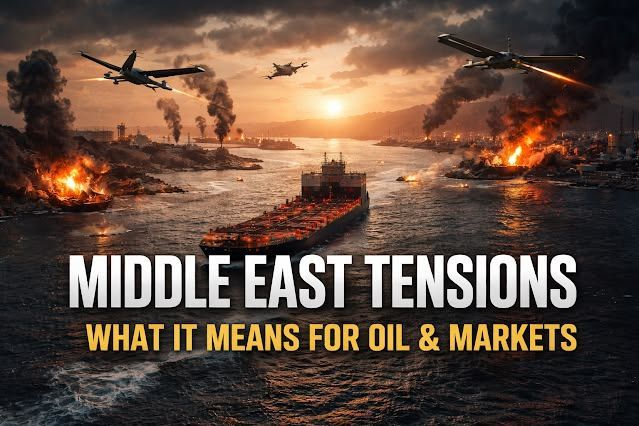
Global oil markets remain highly sensitive to ongoing geopolitical tensions in the Middle East, a region that accounts for a significant portion of the world's energy supply. Recent developments involving regional conflicts, military activities, and concerns over major shipping routes have created uncertainty among investors and energy traders. As a result, crude oil prices have experienced increased volatility throughout 2026. One of the primary concerns is the security of critical maritime routes such as the Strait of Hormuz, through which nearly one-fifth of the world's oil supply passes. Any disruption to these routes could significantly impact global fuel availability and increase transportation costs. Energy-importing nations across Asia and Europe are closely monitoring the situation while strengthening contingency plans to secure supplies. Higher oil prices are already affecting multiple industries, including aviation, logistics, manufacturing, and agriculture. Businesses dependent on transportation are facing increased operational costs, which may eventually be passed on to consumers. Economists warn that prolonged instability could contribute to inflationary pressures in several major economies. Financial markets have also reacted cautiously, with investors shifting funds toward energy stocks and other traditionally defensive sectors. Meanwhile, governments are exploring strategic petroleum reserves and alternative energy investments to reduce dependence on volatile regions. Market analysts believe oil prices will continue to fluctuate based on diplomatic developments, production decisions by oil-exporting nations, and regional security conditions. As global energy demand remains strong, any escalation in tensions could have immediate consequences for fuel prices, international trade, and overall economic growth.
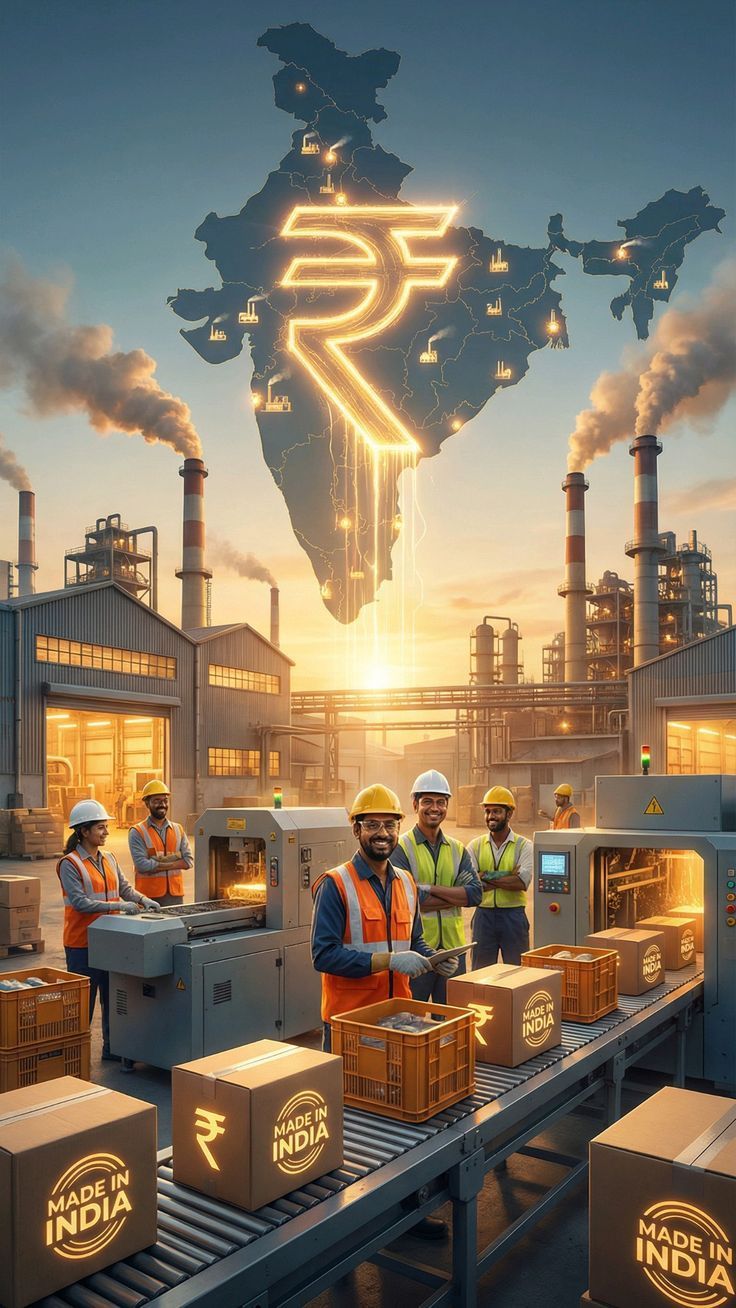
Corporate India is entering a significant growth phase as companies increase investments in manufacturing, infrastructure, technology, and capacity expansion projects. Recent reports indicate that private-sector capital expenditure has reached its strongest levels in several years, reflecting growing confidence in long-term economic prospects. Businesses across sectors including construction, energy, automotive, and industrial manufacturing are committing substantial resources toward expansion. These investments are expected to generate employment opportunities, strengthen supply chains, and improve productivity. Government initiatives supporting infrastructure development and manufacturing growth have also contributed to improved business sentiment. Financial institutions report increasing demand for project financing and business loans as companies pursue growth opportunities. Industry experts believe this investment cycle could become a key driver of economic development over the next several years. Strong capital expenditure typically signals confidence among business leaders regarding future demand and market expansion. For entrepreneurs and investors, the trend highlights emerging opportunities in sectors benefiting from increased corporate spending and infrastructure development.
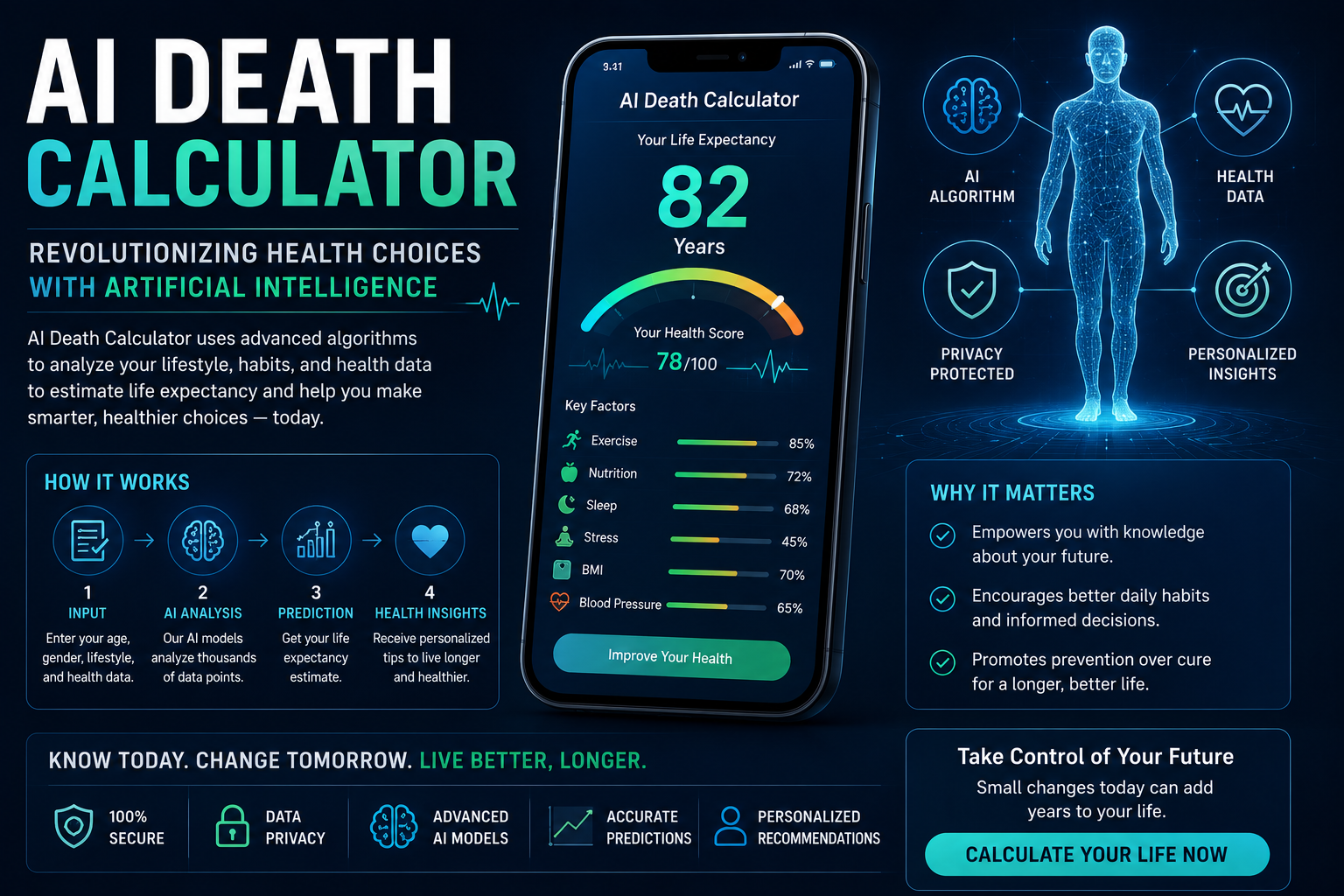
AI Death Calculator uses artificial intelligence to provide insights into health and lifestyle choices, helping you make informed decisions for a longer, healthier life
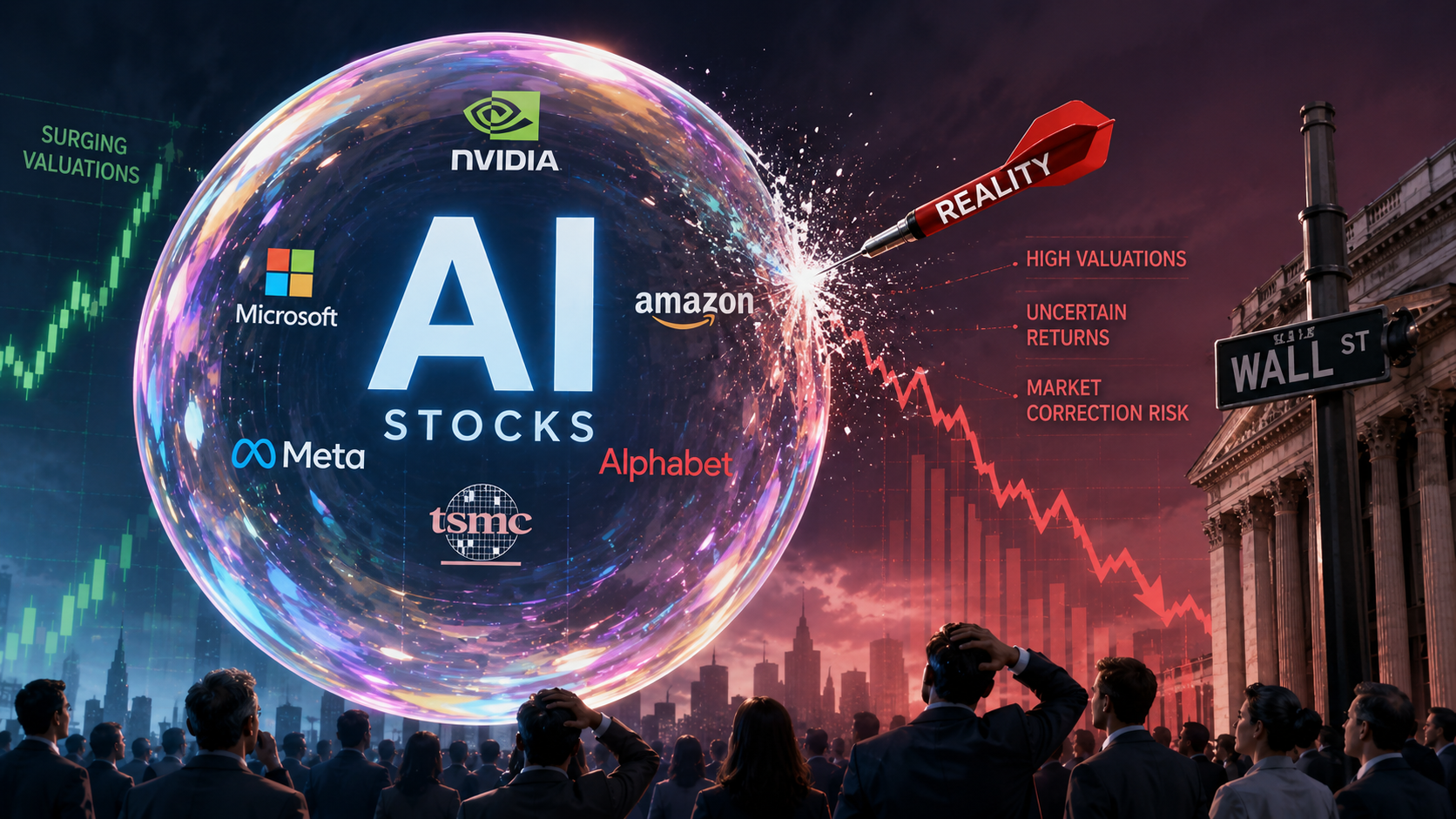
Artificial intelligence has fueled one of the strongest stock market rallies in recent history. But are AI stocks supported by fundamentals, or is the market entering bubble territory?

Geopolitical tensions in the Middle East continue to influence financial markets, energy prices, and international trade routes. Recent developments have heightened concerns about the security of key shipping corridors responsible for transporting energy products to global markets. The conflict's impact extends beyond oil. Electricity markets across Asia-Pacific regions are experiencing increased uncertainty due to concerns over fuel supply stability. Governments and corporations are reassessing energy procurement strategies and strengthening contingency plans against potential disruptions. Investors have responded by increasing allocations toward safe-haven assets while reducing exposure to sectors vulnerable to supply chain interruptions. Defense stocks have seen increased investor interest as governments review military spending priorities amid rising regional tensions. Shipping and logistics firms are also facing higher insurance and operational costs. These additional expenses are gradually being passed through to manufacturers and consumers, contributing to inflationary pressures in several economies. Economic analysts note that while markets have become more resilient to geopolitical shocks over the past decade, prolonged conflict could significantly affect global growth forecasts. Energy-intensive industries remain particularly exposed to sudden commodity price spikes. Financial institutions are closely monitoring diplomatic developments, as any escalation or de-escalation could quickly alter market sentiment. The situation highlights the growing relationship between geopolitical stability, energy security, and economic performance in today's interconnected global economy.
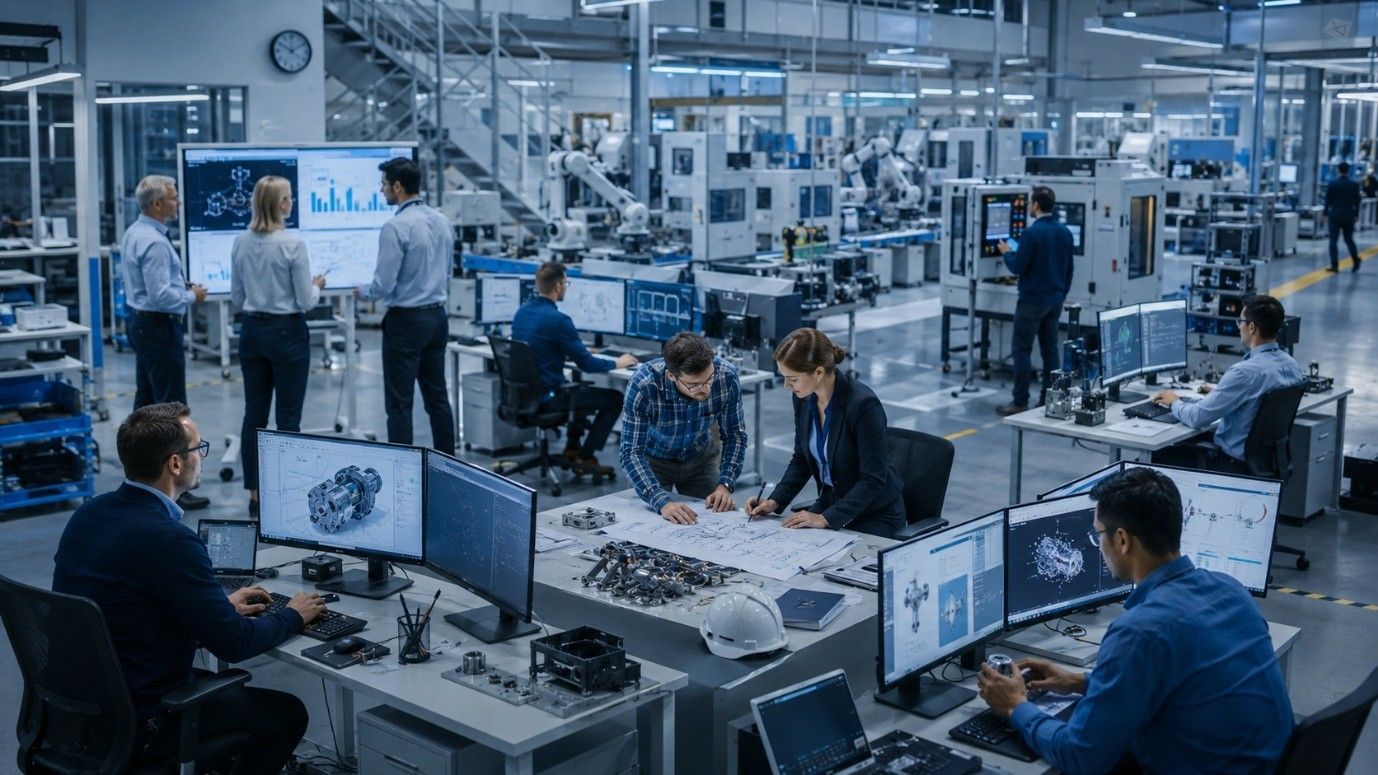
As nations seek greater control over data, technology infrastructure, and digital innovation, digital sovereignty is emerging as a major strategic priority. This article examines the forces driving the global technology race and what it means for businesses, governments, and society.

Master Oogway’s timeless wisdom quotes from Kung Fu Panda. Explore inspiring quotes about life, destiny, and self-discovery to guide your journey.

Billie Eilish Net Worth reveals how music, tours, brand deals, fragrance launches, and film projects built her global entertainment empire.

Europe faces a difficult balancing act as inflation remains stubborn while economic growth weakens. Policymakers, businesses, and consumers are navigating one of the region's most challenging economic environments in years.

Timeless quotes from Chhatrapati Shivaji Maharaj that inspire and empower business leaders. Explore his wisdom and leadership principles to elevate your entrepreneurial journey.

As artificial intelligence becomes embedded in daily business operations, leadership is entering a new era. The most effective leaders of the future may not be those who simply manage people or technology, but those who successfully integrate both into high-performing organizations.

As economic uncertainty, technological disruption, and changing customer expectations reshape global markets, companies are redefining how they pursue growth. The new corporate playbook emphasizes balancing innovation, agility, and long-term value creation in an increasingly complex business environment.

Nvidia Stock Price reacts to AI demand, data-center growth, competition, and market trends. Know what drives its rise or dips and what investors should watch.
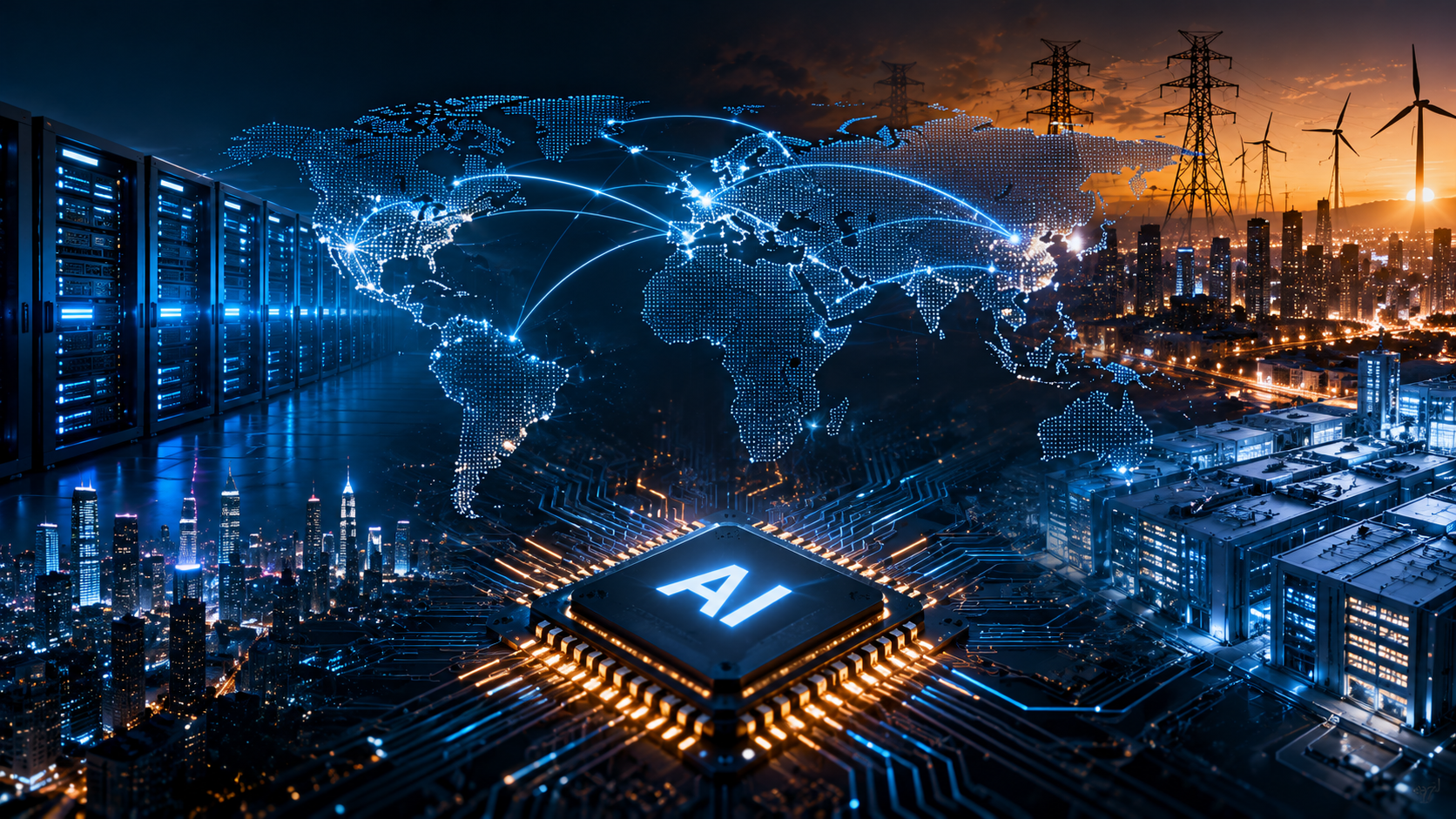
Countries around the world are investing billions into AI infrastructure, data centers, semiconductors, and energy systems. Discover why the global AI race is becoming a battle for economic and geopolitical power.
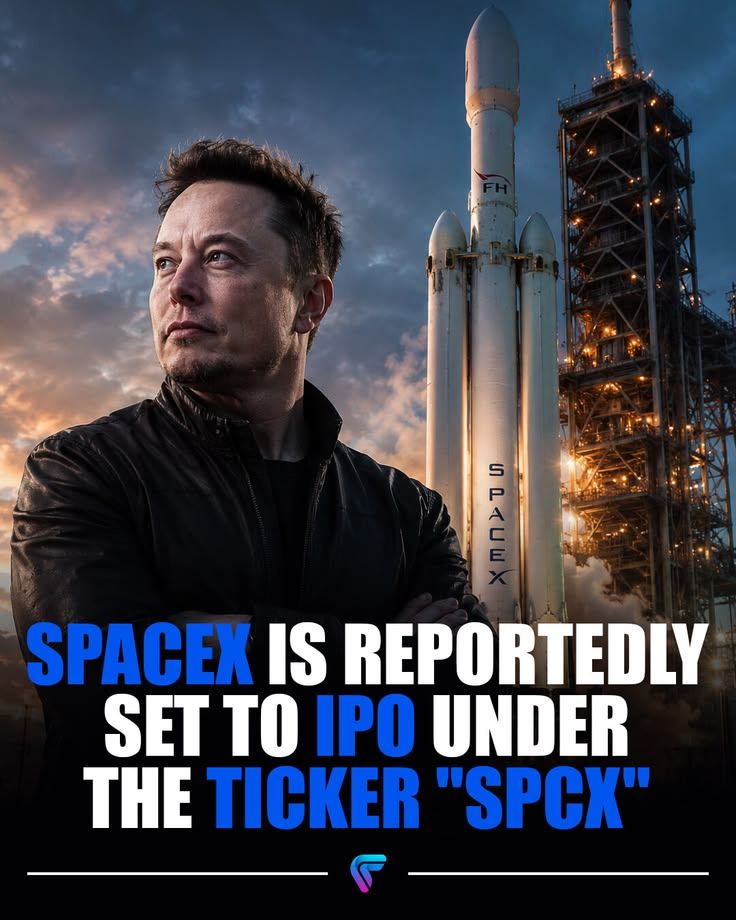
The anticipated Initial Public Offering (IPO) of SpaceX has become one of the most talked-about developments in global financial markets. Investors worldwide are closely watching reports suggesting that the space technology giant may move closer to a public listing, potentially creating one of the largest and most influential IPOs in recent history. Founded by Elon Musk, SpaceX has transformed the aerospace industry through reusable rocket technology, commercial satellite launches, and ambitious projects such as the Starship program. The company has already achieved a valuation exceeding many traditional aerospace firms, making its potential market debut a highly anticipated event. Institutional investors view SpaceX as more than a space exploration company. Its satellite internet division, Starlink, has expanded rapidly across global markets, providing broadband services in remote and underserved regions. Analysts believe Starlink's revenue growth could significantly enhance the company's long-term valuation. The expected IPO has generated excitement across technology, defense, telecommunications, and infrastructure sectors. Many investors see SpaceX as a rare opportunity to participate in the commercialization of space technology and next-generation communications networks. Market experts predict that a successful SpaceX IPO could attract billions of dollars in investment and spark renewed interest in space-related stocks worldwide. Beyond financial markets, the event would symbolize a new era in which private companies play an increasingly central role in space exploration, satellite communications, and global technological innovation.

The famous saying, "Rome wasn't built in a day," emphasizes the patience and time required to achieve significant accomplishments.
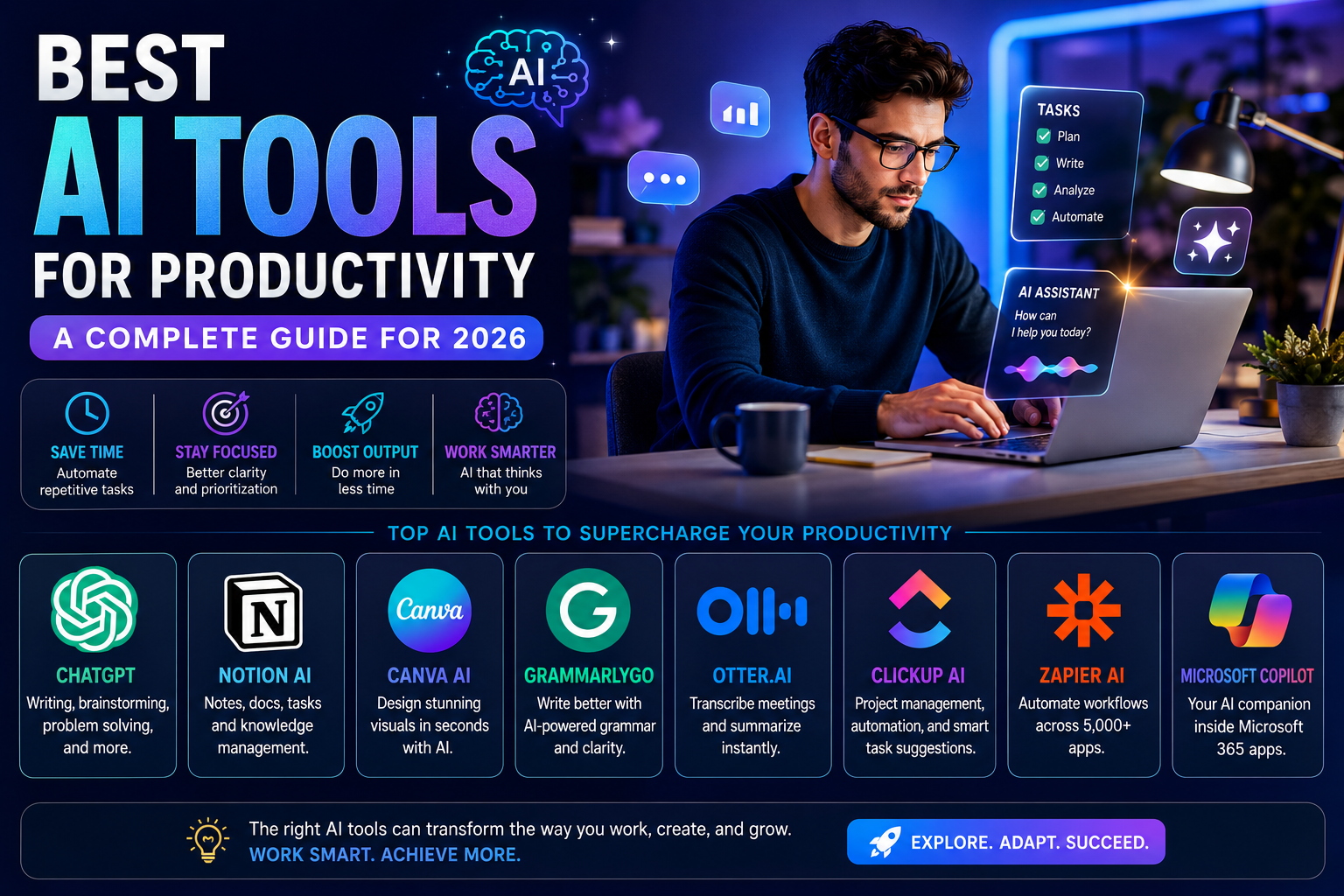
Discover the Best AI Tools for Productivity in 2026 to automate tasks, boost efficiency, enhance collaboration, and streamline workflows.

Retaining more information from the books you read is a valuable skill that can enhance your learning and knowledge. Here are seven strategies to help you retain more from every book you read:

Quotes from the Bhagavad Gita that offer timeless wisdom and insights on life, purpose, and inner peace.

Meta Platforms is aggressively expanding its AI strategy beyond traditional advertising revenue. The company recently introduced paid AI business tools and subscription services across its ecosystem, including social media and messaging platforms. Investors have responded positively to Meta's efforts to diversify revenue streams. The company's AI initiatives are increasingly focused on enterprise solutions, business automation, and digital assistants capable of supporting customer interactions. Industry observers note that Meta's substantial investments in AI infrastructure reflect a broader strategic shift toward becoming a leading provider of intelligent digital services. The company is allocating significant resources toward advanced AI research, talent acquisition, and product development. Prominent technology leaders have publicly supported Meta's AI strategy, arguing that current spending levels position the company for long-term competitive advantages. The company is also exploring new monetization models designed to generate recurring revenue outside of advertising. Financial markets continue evaluating whether Meta's aggressive AI investments will translate into sustainable profitability. While some investors remain cautious about near-term costs, others believe the company's vast user base provides a unique platform for AI commercialization. As competition intensifies among major technology companies, Meta's AI roadmap is expected to remain a key factor influencing its market valuation and growth prospects.

Dr. Geoffrey Fisher has become widely recognized for his ability to inspire academic excellence while fostering a culture built on trust, innovation, and human connection.

Investors can no longer focus solely on earnings and economic data. Geopolitical events are increasingly shaping markets, creating a new investment landscape where politics and profits are more connected than ever.

As artificial intelligence, automation, and digital transformation reshape industries, the future workforce will be defined by adaptability, continuous learning, and human capital development. Businesses, governments, and workers are increasingly investing in skills and upskilling initiatives to remain competitive in the evolving global economy.
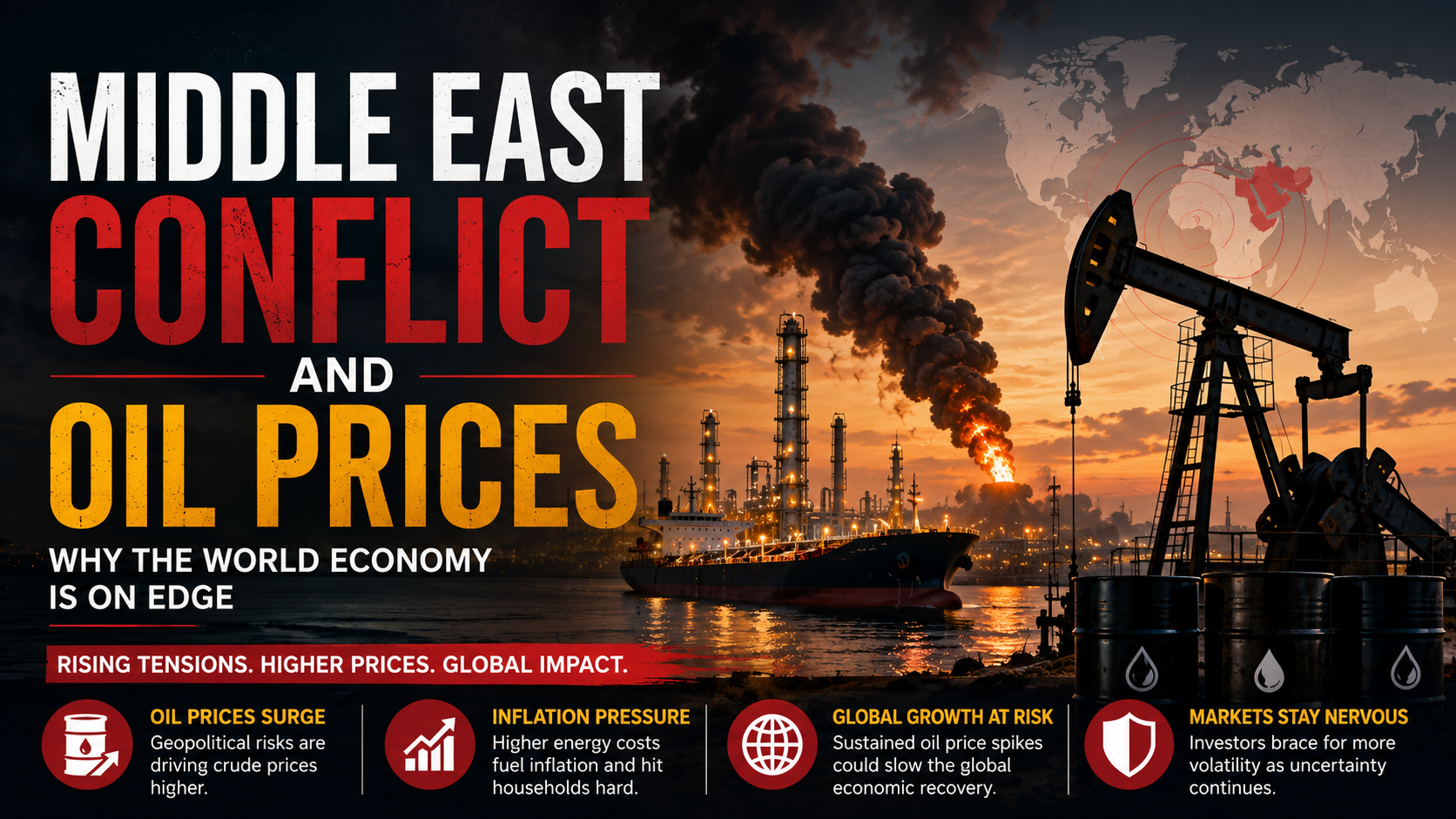
A conflict thousands of miles away could affect fuel prices, inflation, stock markets, and economic growth worldwide. Here's why investors are closely watching the Middle East.
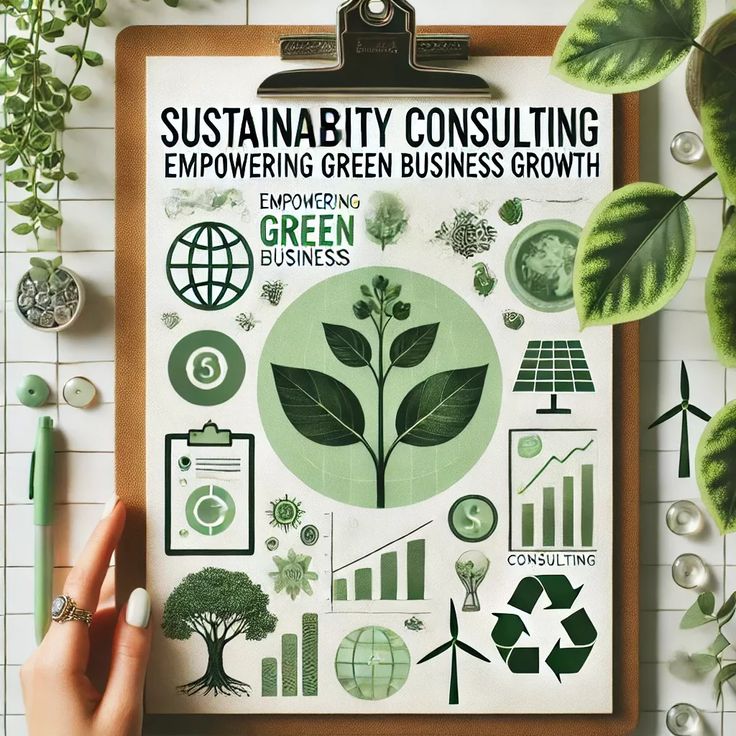
The global workforce is undergoing significant transformation as businesses compete for highly skilled professionals in technology, data analytics, cybersecurity, healthcare, and engineering. Organizations are increasingly offering flexible work arrangements, enhanced benefits, professional development opportunities, and performance-based incentives to attract and retain top talent. Employee experience has become a strategic priority for many employers. The rise of remote work has expanded talent pools while simultaneously increasing competition. Companies can now recruit globally, but employees also have access to opportunities beyond their local markets. Skills development is becoming equally important. Businesses are investing heavily in upskilling and reskilling programs to ensure their workforce remains competitive in a rapidly changing economy. Experts suggest that organizations capable of creating strong workplace cultures and continuous learning environments will gain a significant competitive advantage in attracting future talent.

Discover 15 inspiring Dolly Parton quotes that offer wisdom, humor, and motivation. From funny quotes to memorable lyrics, these quotes will motivate and uplift you.

Why Pune is called the 'Oxford of the East.' Explore the city's rich educational heritage, renowned universities, and its reputation as a hub for academic excellence in India. Pune oxford of the east.
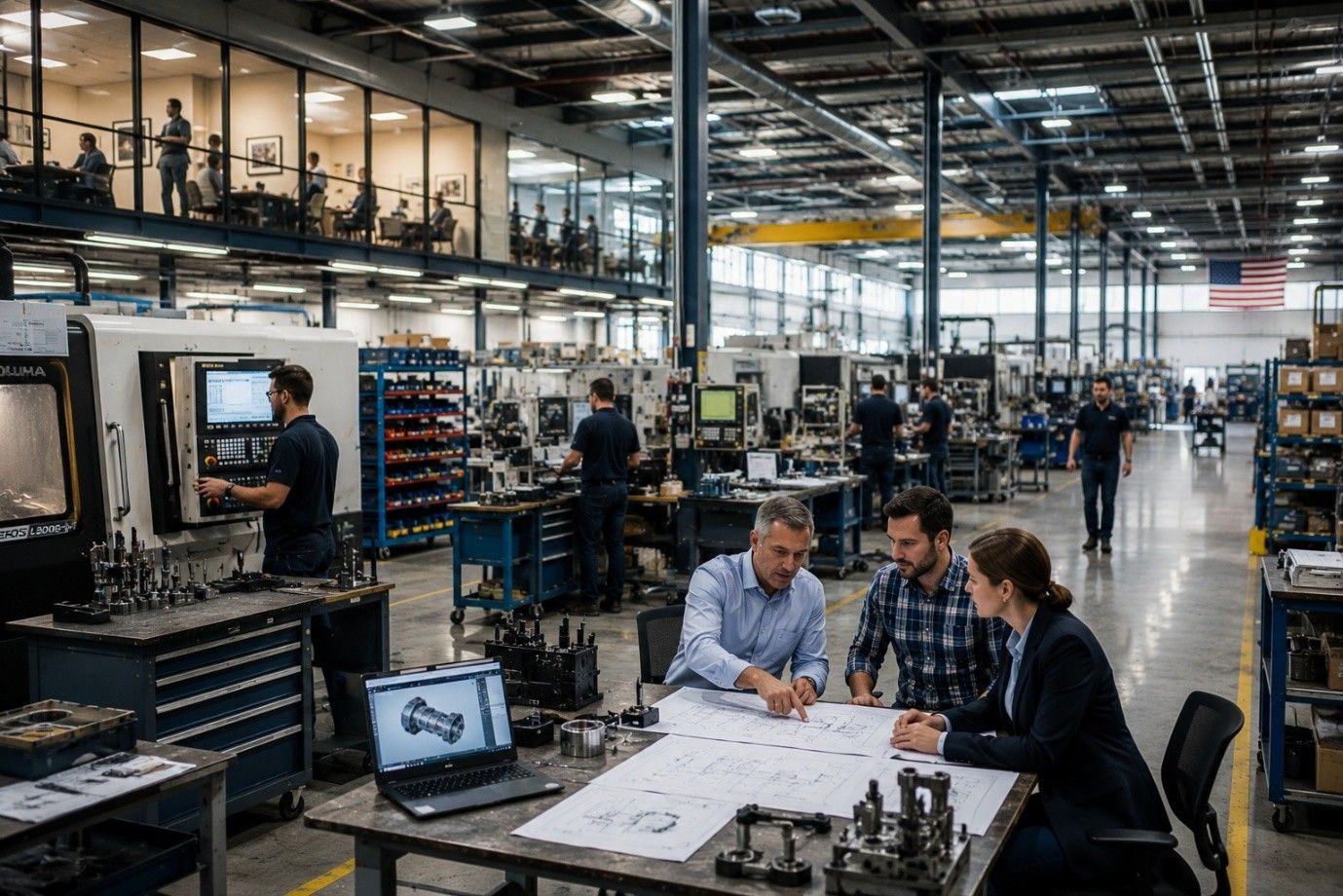
While large corporations often dominate headlines, mid-sized companies are quietly becoming powerful drivers of economic growth, innovation, and job creation. This article explores why these businesses are increasingly emerging as the hidden champions of the global economy.
Driving Digital Transformation Through Visionary Technology Leadership An Exclusive Cover Story on Zeljko Ivkovic In today’s rapidly evolving digital economy, technology leaders are no longer limited to managing infrastructure and systems. Modern CIOs are expected to shape business strategy, lead innovation, strengthen cybersecurity, and create long-term value through digital transformation. Among the leaders redefining this role is Zeljko Ivkovic, a seasoned technology executive whose career reflects resilience, adaptability, and a deep passion for innovation. With years of experience leading technology initiatives across international markets, Zeljko has built a reputation for aligning technology with business growth. His leadership approach combines strategic thinking, operational excellence, and a people-first mindset, enabling organizations to navigate change while remaining competitive in a fast-moving digital world. A Passion for Technology from an Early Age Zeljko’s interest in technology began during childhood, driven by curiosity and determination. Long before technology became accessible to everyone, he spent countless hours exploring computers, learning programming concepts, and understanding how machines worked. Without immediate access to a computer at home, he found creative ways to immerse himself in technology by visiting local computer stores and teaching himself through books and experimentation. That early fascination eventually became a lifelong career path. After purchasing his first personal computer through savings earned from side jobs, he realized technology was more than an interest—it was the future he wanted to build. This passion for continuous learning became the foundation of his professional journey and leadership style. Leading Through Innovation and Collaboration What makes Zeljko’s leadership stand out is his ability to adapt across industries while maintaining a strong focus on people and business outcomes. Currently working in a dynamic global environment, he leads teams across multiple countries and collaborates with professionals from diverse cultural and operational backgrounds. For Zeljko, technology leadership is not only about systems and software—it is about empowering people, building trust, and creating meaningful impact. He believes strong collaboration and aligned goals are essential for successful digital transformation. By fostering open communication and encouraging innovation within his teams, he has helped organizations improve efficiency, strengthen operations, and accelerate business performance. The Future of the CIO Role According to Zeljko, the role of the CIO is undergoing a major transformation. As technologies such as artificial intelligence, automation, and advanced analytics continue to reshape industries, CIOs are becoming strategic decision-makers rather than traditional IT managers. He believes one of the biggest opportunities for organizations lies in leveraging data intelligently. However, success depends on maintaining accurate, secure, and high-quality data systems. Cybersecurity also remains a growing priority, particularly as businesses become increasingly connected and dependent on digital infrastructure. Zeljko sees the future CIO as a leader who bridges technology with business strategy, helping organizations embrace innovation while maintaining operational resilience and digital trust. Building Success Through Vision and Resilience Throughout his career, Zeljko has relied on clear vision, adaptability, and resilience to overcome challenges and achieve growth. He believes that long-term success begins with understanding where you want to go and remaining focused even during uncertain times. His leadership philosophy emphasizes continuous improvement and learning from every experience. Rather than avoiding challenges, he views them as opportunities to grow stronger and more capable. This mindset has allowed him to navigate changing business landscapes while consistently delivering value to the organizations he serves. Investing in the Technologies of Tomorrow As organizations continue accelerating digital adoption, Zeljko is focused on building strong technological foundations for the future. His priorities include improving data quality, expanding AI capabilities, and implementing automation strategies that enhance operational efficiency and decision-making. He is also passionate about exploring AI-driven solutions across various business functions, from facilities management and workforce optimization to process automation and analytics. By integrating intelligent technologies into day-to-day operations, he aims to create more agile, efficient, and future-ready organizations. A Leader Focused on Impact Beyond professional achievements, Zeljko values balance, personal growth, and spending quality time with family. Whether traveling, staying active, or exploring new experiences, he believes maintaining personal well-being is essential for effective leadership. Looking ahead, his ambition is to continue driving meaningful transformation through technology while contributing to strategic leadership at a global level. His journey reflects the qualities of a modern CIO—visionary thinking, adaptability, innovation, and a commitment to empowering people through technology. As businesses continue navigating digital disruption, leaders like Zeljko Ivkovic demonstrate how technology can become a powerful catalyst for innovation, growth, and long-term success.

For years, LinkedIn was primarily viewed as a professional networking and job-search platform. In 2026, however, LinkedIn has transformed into one of the world's most influential content ecosystems, attracting entrepreneurs, executives, creators, consultants, and businesses looking to build authority and engage professional audiences. The platform is rapidly evolving from a digital résumé database into a powerful content and creator-driven network. One of the key drivers behind this transformation is the rise of creator-focused features. LinkedIn has expanded support for newsletters, video content, creator partnerships, and sponsored content programs. The company is actively investing in creator tools and monetization opportunities, allowing professionals to build personal brands and generate business opportunities through content. Video content is becoming increasingly important on the platform. Businesses and professionals are using short-form videos, thought-leadership clips, industry insights, and educational content to engage audiences. At the same time, newsletters, carousels, and document posts continue to generate strong engagement and visibility. Research shows that professional content consumption on LinkedIn is growing as decision-makers seek trusted voices and industry expertise. LinkedIn's influence extends far beyond networking. Today, founders generate leads, executives establish thought leadership, recruiters attract talent, and brands build credibility through consistent content strategies. The platform has become particularly valuable for B2B marketing, where trust and expertise play a critical role in purchasing decisions. Studies indicate that creators and industry experts increasingly influence buying decisions, making LinkedIn an essential channel for modern businesses. As the creator economy continues to expand, LinkedIn is positioning itself as the leading destination for professional content. Organizations and individuals who invest in authentic, educational, and value-driven content are likely to gain significant visibility, authority, and business opportunities in the years ahead.

Agriculture is undergoing a technological transformation as artificial intelligence, precision farming, and data-driven tools reshape how food is produced. This article explores how innovation is helping farmers improve productivity, sustainability, and global food security.
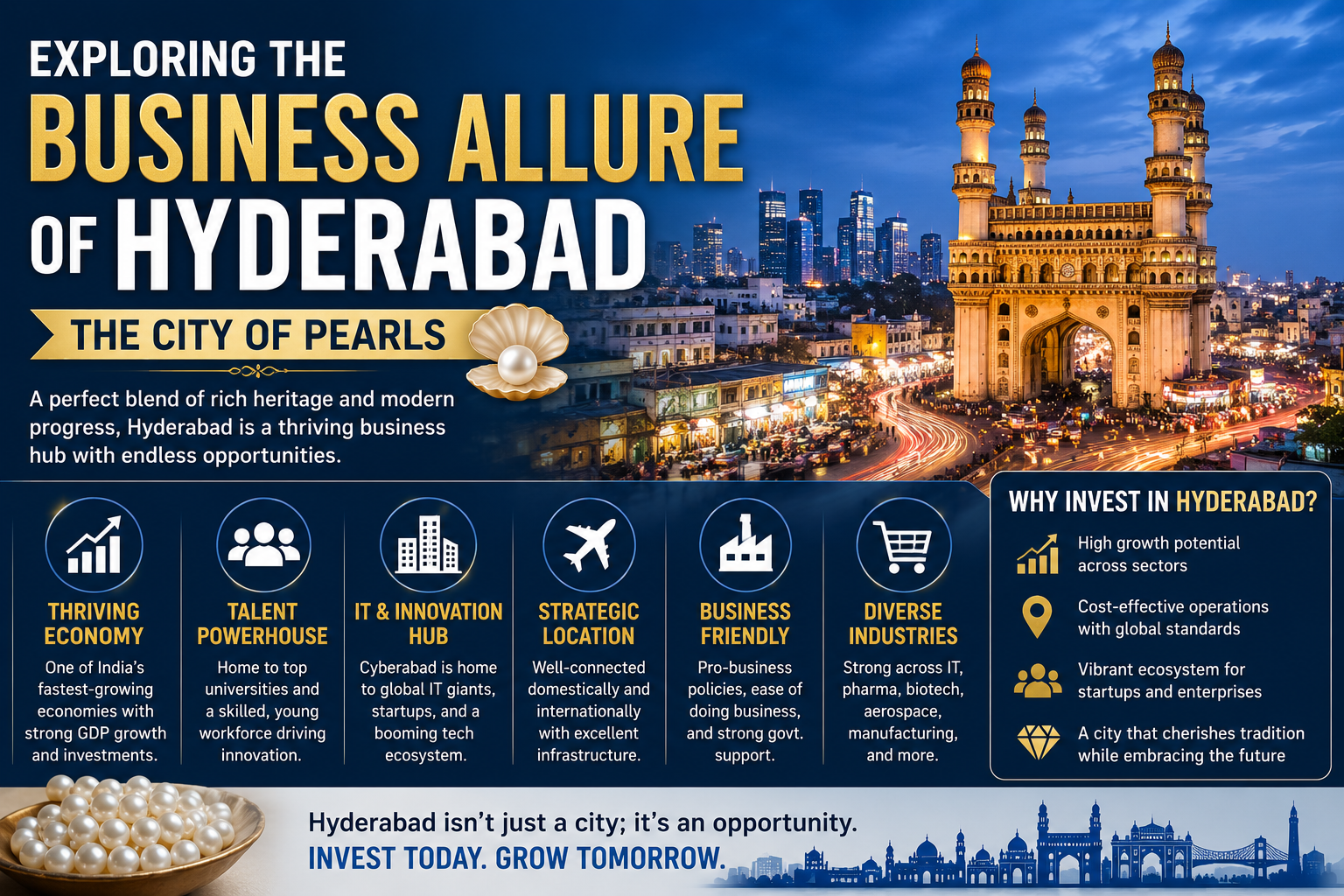
Hyderabad, known as the 'City of Pearls' in India, is renowned for its thriving pearl industry, supplying exquisite pearls not only to India but also to markets worldwide